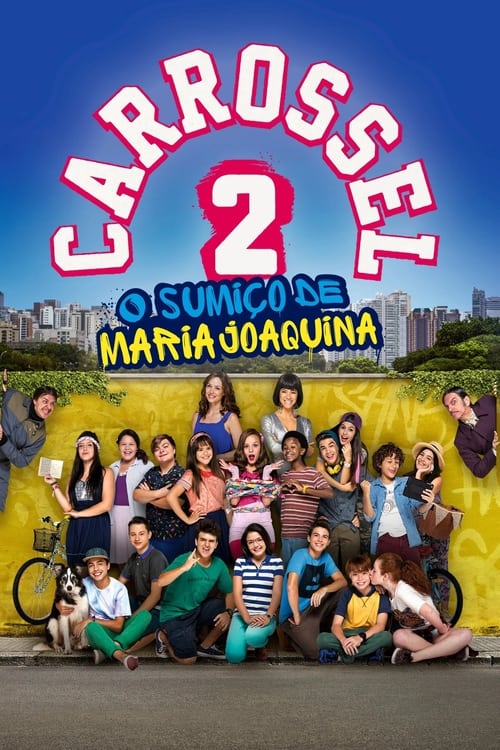
Carrossel 2: O Sumiço de Maria Joaquina
2016
No user ratings available yet
Representation score: 3.7 out of 10

Representation Score
Fair
2014
Director
Jayme Monjardim, João Daniel Tikhomiroff
Runtime
70 minutes
Average Rating
No ratings yetNew Showbiz Analysis
Didi and the Secret of the Angels functions as a conventional family-oriented fantasy-comedy. It benefits from the inherent ethnic diversity of its Brazilian production context, offering a more heterogeneous cast than many Hollywood counterparts. However, the film seems to rely on established genre clichés. The narrative structure appears designed to reinforce traditional social values and familial bonds rather than actively challenging social hierarchies or exploring multiple aspects of identity. While the presence of major female stars is notable, the film lacks evidence of progressive gender subversion. It remains a mainstream production that aligns with standard comedic and cultural expectations.
Category Breakdown
The film follows traditional structures common in mainstream family comedies, focusing on straight relationships. There is no indication of non-traditional gender identities or critiques of conventional social dynamics.
High-profile female performers like Anitta and Mel Maia suggest significant presence. However, female roles may lean toward traditional archetypes or comedic foils rather than challenging gender hierarchies.
The production reflects the natural demographic diversity of Brazilian cinema, providing a more diverse cast than many Anglo-centric productions, moving away from racial homogeneity.
The narrative likely prioritizes traditional values and familial bonds. Fantasy elements involving angels suggest a focus on social cohesion rather than critiquing traditional institutions.
There is no documented evidence regarding the inclusion of characters with visible or invisible disabilities in the film.
Present on Screen
Limited or Absent
2016
1999

2020
2010
2018
2017

2022
2012
No reviews yet. Be the first to share your thoughts on this movie!
Use the rating form above to leave a star rating and optional review.