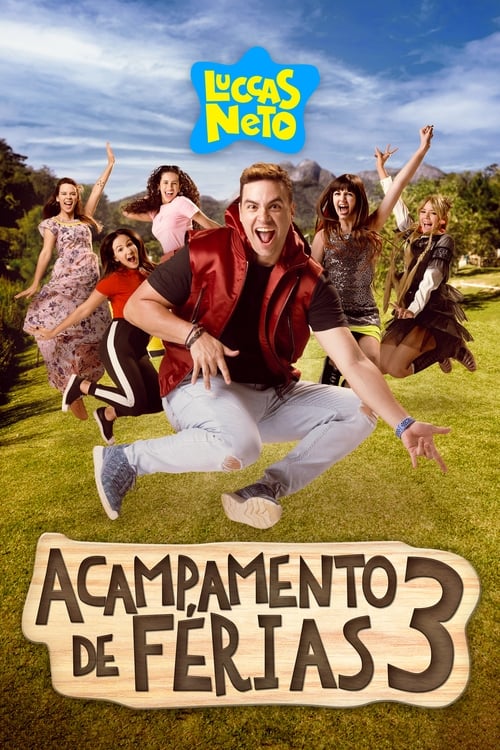
Luccas Neto em: Acampamento de Férias 3
2021
No user ratings available yet
Representation score: 1.9 out of 10

Representation Score
Limited
2012
Director
Hugo de Sousa
Runtime
97 minutes
Average Rating
No ratings yetNew Showbiz Analysis
Morangos com Açúcar - O Filme is a traditional teen comedy that prioritizes mainstream commercial appeal over social subversion. The plot follows a predictable trajectory of romantic rivalry and musical competition, staying firmly within established genre conventions. The film's social landscape is highly localized and homogeneous, reflecting a specific Portuguese demographic without much ethnic or cultural variation. This creates a sense of familiarity for its target audience but offers little in the way of diverse perspectives. Ultimately, the production reinforces standard social hierarchies and heterosexual romantic structures. It serves as a celebratory, conventional summer adventure rather than a tool for exploring complex identity or social disruption.
Category Breakdown
The story revolves around a conventional romantic triangle involving Margarida, Rui, and Tatiana, focusing on heterosexual relationships and romantic rivalry. There is no indication of non-straight identities or critiques of traditional structures.
The film presents a gendered conflict through female competition and romantic displacement. Margarida, a central figure, loses ability to act as the story progresses. Characters largely adhere to typical adolescent social roles.
The production reflects a relatively homogeneous demographic consistent with its localized Portuguese setting. There is no evidence of significant ethnic blending or race-bent casting. The narrative prioritizes a specific, regional social environment.
The film adheres to Western teen-adventure clichés, emphasizing music and summer leisure. It functions as a mainstream commercial product that reinforces standard social cohesion. No anti-Western or secularist-driven narratives are present.
The narrative does not appear to utilize disability as a central theme or character arc. There is no discernible focus on visible or invisible disabilities within the available plot details.
Present on Screen
Limited or Absent
Official Synopsis
Through the madness of summer and to the sound of music, the past and the present of 'Morangos com Açúcar' cross paths in a unique adventure. Between the beach and the pool, the campsite and the holiday camp, long-time friends meet again and new friendships happen.
2021

2006
2016

2011

2018

2014

2014

2021
No reviews yet. Be the first to share your thoughts on this movie!
Use the rating form above to leave a star rating and optional review.