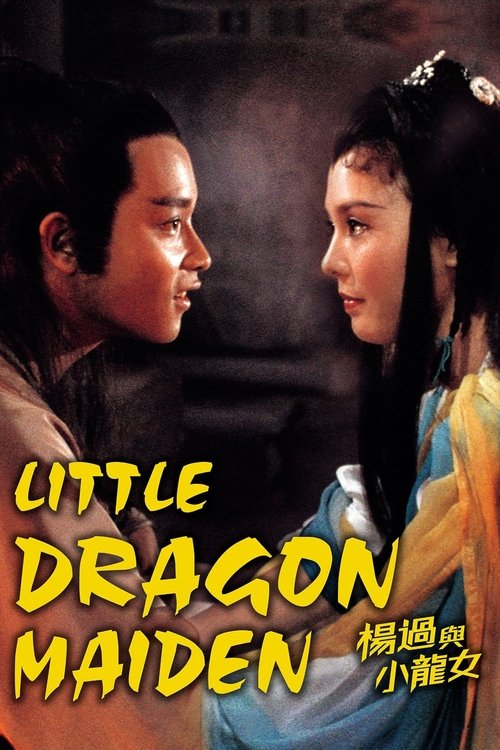
Little Dragon Maiden
1983
No user ratings available yet
Representation score: 4.8 out of 10
Representation Score
Good
1993
Director
Larry Cheung Hoi-Ching
Runtime
96 minutes
Average Rating
No ratings yetNew Showbiz Analysis
The film is a genre-driven martial arts epic that finds its strength in non-Western centering and female combat ability to act. The Five Poison Sect provides a notable space for women to exercise physical prowess and autonomy. However, the narrative remains anchored in traditional romantic structures and moral archetypes. The focus on heterosexual clichés and conventional character roles limits its exploration of diverse identities. While the film avoids Western-centric norms, it does not actively challenge systemic hierarchies or explore complex multi-layered identities beyond established genre conventions.
Category Breakdown
The film focuses on heterosexual romantic tensions and family loyalty. There is no depiction of same-sex relationships or non-cisgender identities.
Female characters play a significant role in driving the story through the Five Poison Sect, a group of fighting women. This provides a meaningful departure from purely patriarchal structures.
The film offers a non-Anglo-centric perspective by centering Eastern martial traditions. It uses traditional Chinese cultural motifs and historical archetypes throughout the story.
The story operates within the Wuxia genre, balancing individual vengeance against social order. It features historical power dynamics involving a Manchu master.
A blind old man drives a key plot point by returning the sword. His role follows traditional clichés linking physical impairment to specialized narrative functions.
Present on Screen
Limited or Absent
Official Synopsis
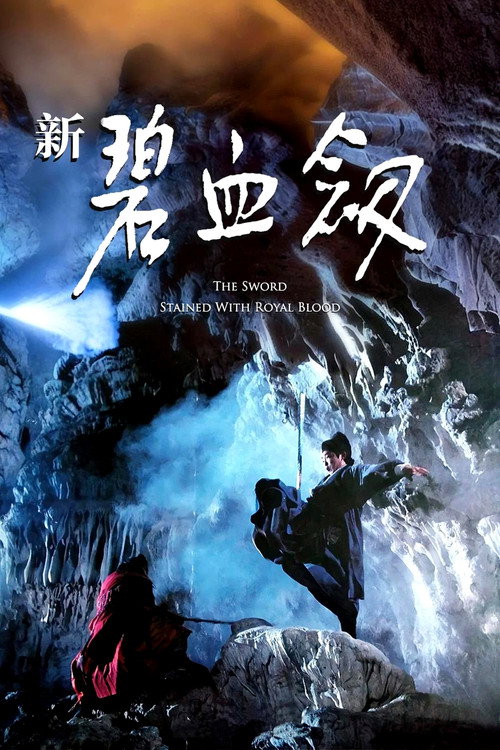
After the death of Marshal Yuen, a princess is arrested by a constable whilst training with her kung-fu teacher. They are soon drawn into a conflict which centres around the mysterious man with the golden snake sword - an incredibly powerful magical weapon. Golden Snake Man is seeking revenge on the castle of the Wan family, but Wan has married his former lover. The Five Poison Sect of fighting (and flying) women have entered into an uneasy alliance with the forces of the Manchu Master Wu to steal the golden snake sword. Wan's daughter is torn between her father and her love of the constable. The constable must decide between his brotherly love for the Golden Snake Man and his sense of justice. Meanwhile a blind old man seeks to return the powerful Sword Stained With Royal Blood to the son of Marshal Yuen.
1983
1993
1993

1993
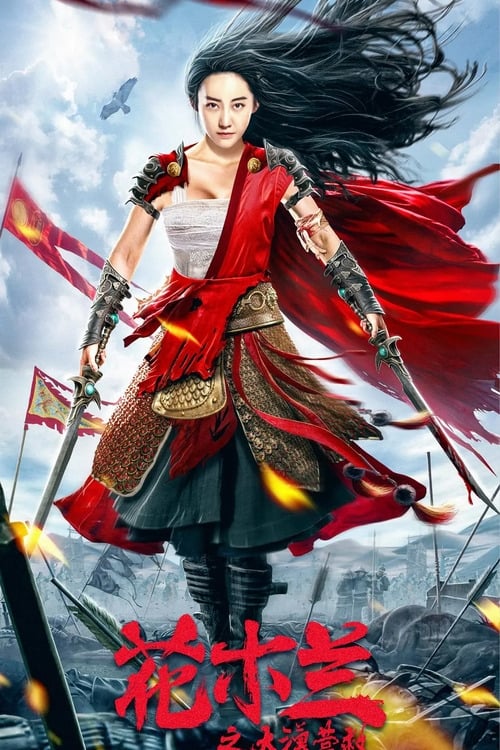
2020
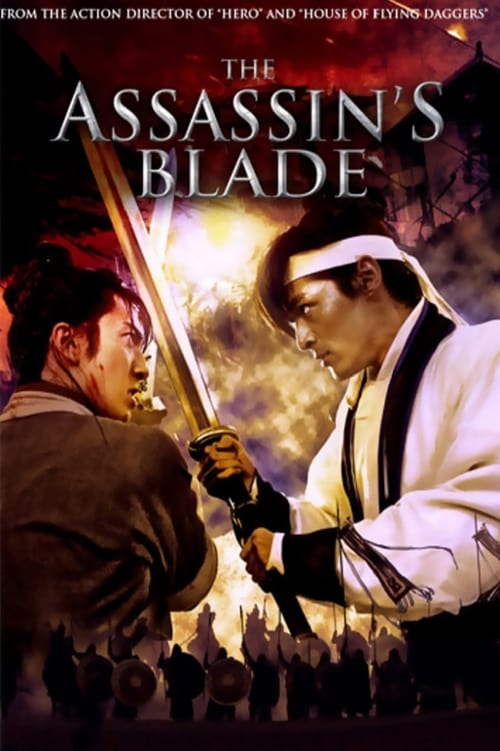
2008
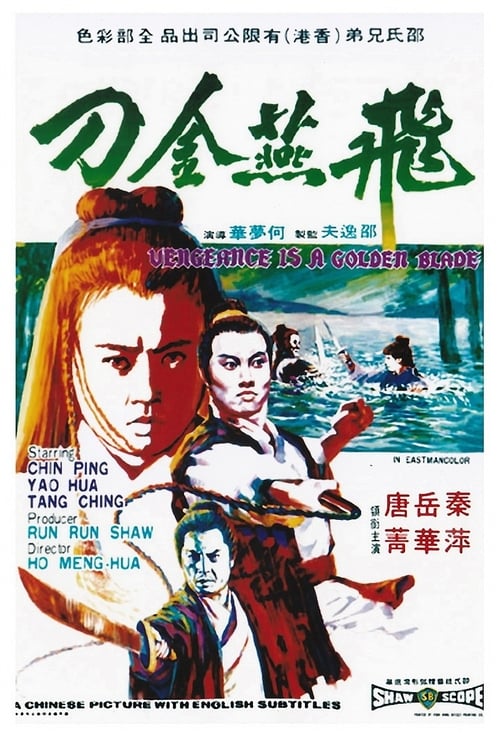
1969
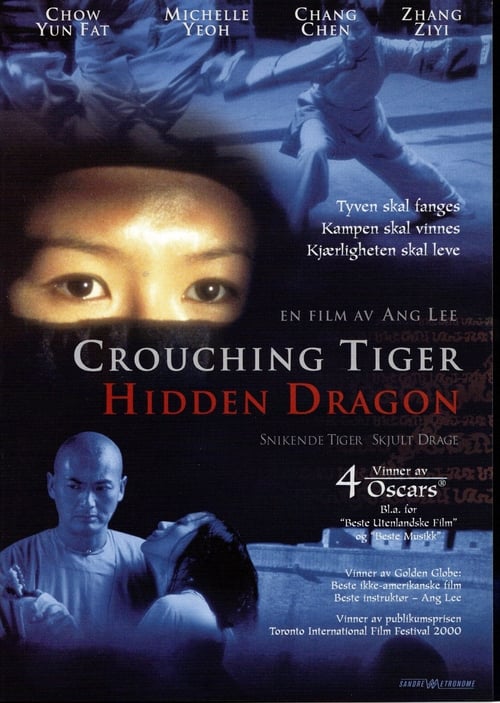
2004
No reviews yet. Be the first to share your thoughts on this movie!
Use the rating form above to leave a star rating and optional review.