
Little Dragon Maiden
1983
No user ratings available yet
Representation score: 4.8 out of 10
Representation Score
Excellent
1993
Director
Raymond Lee Wai-Man, Tony Ching Siu-Tung
Runtime
93 minutes
Average Rating
No ratings yetNew Showbiz Analysis
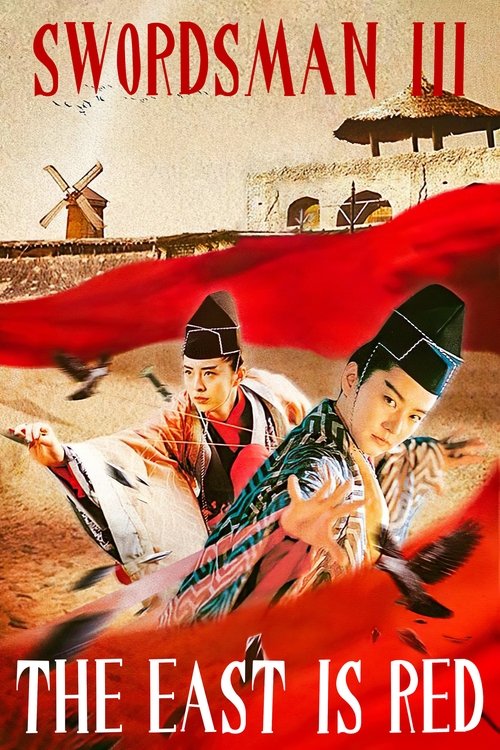
Swordsman III: The East Is Red is a striking subversion of wuxia clichés, primarily through its sophisticated handling of gender and identity. By centering a protagonist who exists beyond the gender binary, the film disrupts traditional patriarchal leadership and provides a powerful model of character's ability to drive the story. While the film excels in gender fluidity, it remains culturally narrow. The focus on a homogeneous Ming Dynasty setting and internal martial politics means it lacks racial or multi-ethnic breadth. Additionally, the absence of disability representation limits its social scope. Ultimately, the film's strength lies in its ability to use character aesthetics and power dynamics to challenge societal norms, even within a historically specific genre.
Category Breakdown
Brigitte Lin plays Ling Liexiu, a character who challenges traditional gender roles by blending masculine authority with ambiguous aesthetics. She transcends typical gender boundaries and presents a non-conforming identity.
The film centers a protagonist who holds superior martial and political power, subverting the traditional submissive female role. This shifts the narrative focus from patriarchal dominance to fluid expressions of strength.
Set in the late Ming Dynasty, the film focuses on internal factions and power struggles within a culturally homogeneous Chinese context. It does not engage with multi-ethnic or cross-cultural narratives.
The narrative criticizes established institutions, portraying imperial law as corrupt or ineffective. It emphasizes personal honor and individual ability to act over adherence to centralized state authority.
There is no meaningful depiction of visible or invisible disabilities. However, the character Invincible Asia undergoes a physical transformation via self-castration, which serves as a plot device in the martial mythology.
Present on Screen
Limited or Absent
Official Synopsis
A royal official accompanies a Portuguese warship to the Black Cliffs to see the site of the defeat of the evil Invincible Asia, who attained supernatural abilities by following the sacred scroll and castrating himself.
1983

1993

1993

1992

2011
1992

1994

1978
No reviews yet. Be the first to share your thoughts on this movie!
Use the rating form above to leave a star rating and optional review.