
Jewtopia
2012
No user ratings available yet
Representation score: 4.6 out of 10

Representation Score
Fair
2001
Not RatedDirector
Pascale Bailly
Runtime
100 minutes
Average Rating
No ratings yetNew Showbiz Analysis
The film stands out from standard romantic comedies by focusing on the protagonist's psychological journey and religious fluidity. Michèle's decision to convert to Judaism to navigate personal heartbreak provides a nuanced look at identity reconstruction. While the narrative remains within a conventional framework, it successfully integrates ethnic and religious the way different parts of someone's identity overlap. The focus on François's Jewish identity moves the story beyond a purely secular Western perspective. Ultimately, the film uses a personal crisis to explore broader themes of cultural blending and individual truth, elevating it above simple genre clichés.
Category Breakdown
The film focuses on a heterosexual relationship between Michèle and François, following a traditional framework typical of the romantic comedy genre.
Michèle drives the narrative through her internal emotional journey and proactive life choices. She plays a significant role in driving the story, avoiding the passive female archetype.
The story introduces ethnic complexity through François, who is identified as Jewish. This adds a layer of cultural blending to the narrative's European setting.
Conversion is presented as a personal tool for coping with modern disillusionment. The film prioritizes subjective spirituality over institutional dogma and rigid religious authority.
There is no evidence regarding the depiction of physical or neurodivergent disabilities in this film.
Present on Screen
Limited or Absent
Official Synopsis
Michèle, 20 years old, feels terrible after having broken up with her boy-friend. She meets Francois, who's a veterinarian and jewish. Michèle decides to convert into Judaism because she has to believe in something, if not in someone.
2012

1995

2016

2018

2009

2018
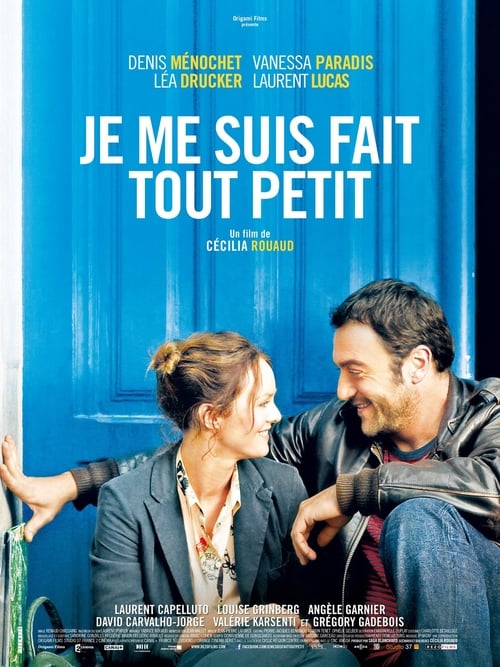
2012
1993
No reviews yet. Be the first to share your thoughts on this movie!
Use the rating form above to leave a star rating and optional review.