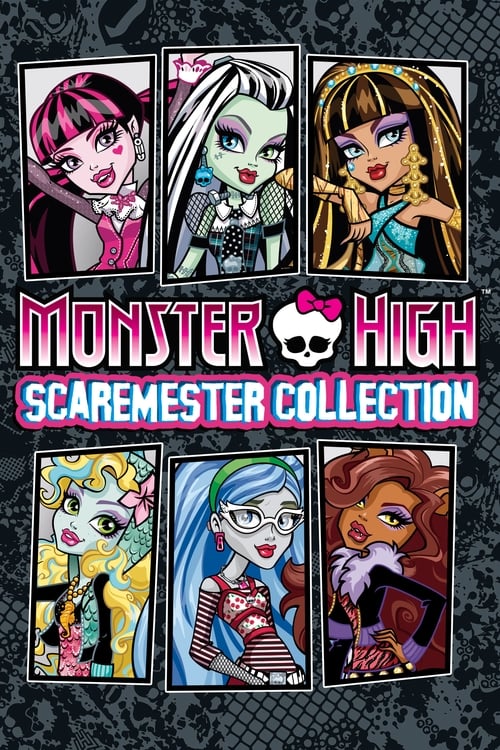
Monster High: Scaremester Collection
2014
No user ratings available yet
Representation score: 8.6 out of 10
Representation Score
Excellent
2012
PGDirector
Mike Fetterly, Steve Sacks
Runtime
70 minutes
Average Rating
No ratings yetNew Showbiz Analysis
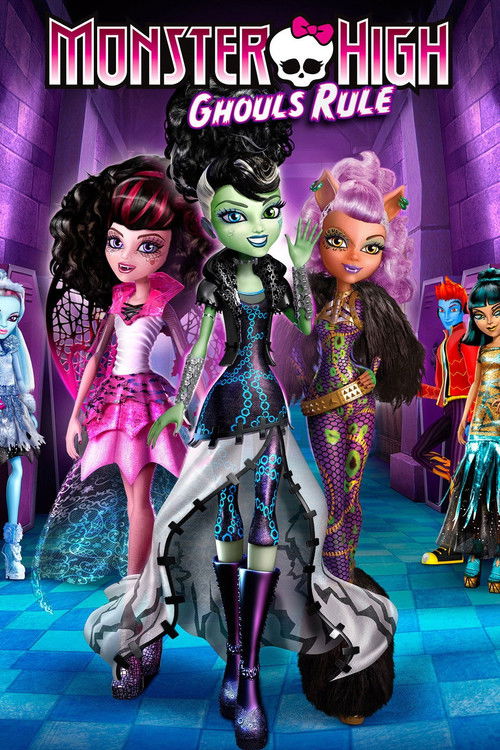
Monster High: Ghouls Rule uses a clever 'monster as metaphor' framework to explore themes of identity and social acceptance. By casting diverse mythological creatures against a homogeneous human population, the film creates a symbolic landscape for discussing underrepresented communities and the struggle against forced assimilation. The film excels in its female-driven narrative, centering leadership and intellect within its primary ensemble. This provides a progressive framework for social cohesion, even as the story remains within traditional social bounds. While the film lacks explicit LGBTQ+ or disability-specific narratives, its core message of celebrating 'otherness' offers a meaningful, if metaphorical, approach to diversity in family animation.
Category Breakdown
The film adheres to traditional social and romantic structures without depicting same-sex intimacy or non-conforming gender identities. It focuses on conventional social dynamics.
A strong female-led ensemble drives the plot, with characters like Frankie Stein and Draculaura demonstrating significant autonomy and passing the Bechdel test through meaningful dialogue.
Mythological identities like vampires and werewolves represent ethnic and racial diversity. The tension between monsters and 'Normies' reflects the complexities of a multi-ethnic society.
The story critiques the pressure to assimilate into a standardized majority, promoting radical individuality. The monster community is portrayed as a underrepresented culture defending its unique way of life.
Monster traits serve as a broad metaphor for biological difference. However, these differences function more as aesthetic species traits than nuanced explorations of lived disability experiences.
Present on Screen
Limited or Absent
Official Synopsis
Monster High: Ghouls Rule unearths an old conflict between "Normies" and monsters - and things are about to get scary! For years, students at Monster High were warned that Halloween was a night to stay inside and avoid conflict at all costs. But Frankie and her friends discover that ghouls and "Normies" once loved to spend the holiday together! The ghouls decide to turn back the clock and use the night to celebrate their individuality and show that it's okay to "Be Yourself. Be Unique. Be a Monster!"
2014
2012
2013
2007
2004

2020
2018
2005
No reviews yet. Be the first to share your thoughts on this movie!
Use the rating form above to leave a star rating and optional review.