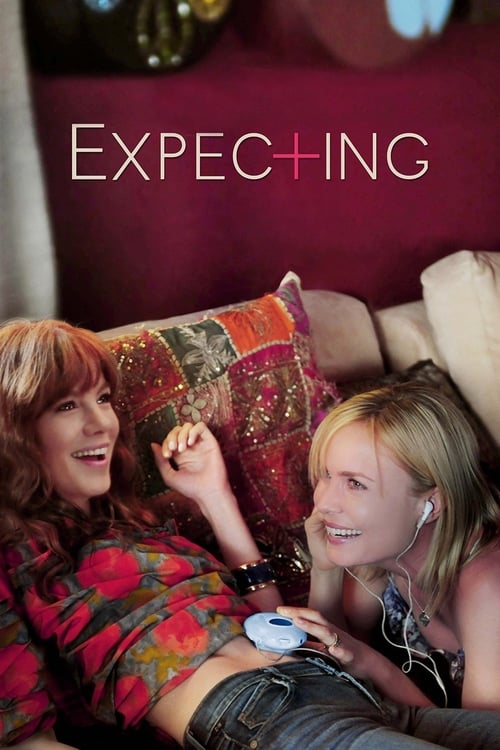
Gus
2013
No user ratings available yet
Representation score: 5.5 out of 10
Representation Score
Good
2026
RDirector
Thom Harp
Runtime
105 minutes
Average Rating
No ratings yetNew Showbiz Analysis
The film opens on a plus-size supermodel’s home, a space of glass and luxury where a family gathers for a birth. This setting sells a vision of modern, affluent domesticity where the female body is the site of both labor and status. The sold meaning is clear: the matriarch, Ellye, controls the narrative, while the traditional hierarchies of father and mother are reduced to comic or obstructive roles. The father’s insistence on filming the birth is treated as an intrusion, not a legacy, and the mother’s snoring is a logistical problem to be managed, not a maternal virtue. The film’s argument is that family is a messy, negotiated space where the woman’s autonomy is the only non-negotiable rule. This is tested against the internal logic of the family’s dysfunction: the sister’s infertility is a source of tension, not pity, and the husband’s role as a limo driver is a source of pride, not shame. The ending, implied by the gathering and the birth, rewards the woman who holds the center. The camera loves Ellye’s body and her decisions; it treats the men’s incompetence as a running gag that frees her arc. The contradictions lie in the film’s reliance on the modeling industry as a marker of success, which is never critiqued but accepted as the family’s social currency. The film’s progressive stance on gender and body image is undercut by its acceptance of class and status as the primary drivers of conflict. The last image is not a moral verdict on the family’s past, but a confirmation of the present: the woman who gave birth is the one who gets to decide who stays and who goes. The film is a comedy of manners for a family that has already won, and its humor comes from the friction of those who haven’t.
Category Breakdown
No LGBTQ+ characters or same-sex intimacy appear in the provided evidence. The narrative focuses entirely on heterosexual family dynamics and traditional romantic pairings. Absence of queer representation is total within the visible cast and plot points.
Female competence drives the plot, with Ellye controlling the narrative and decisions. Male characters react, film, or provide comic relief, limiting their agency. The matriarch actively challenges traditional patriarchal authority, positioning women as the central decision-makers.
Interracial marriage and mixed-race family dynamics are presented as the default domestic setting. The family structure normalizes racial mixing without making it a source of conflict. Diversity is treated as a baseline rather than a special topic.
Cultural markers include the modeling industry as a status symbol and regional family dynamics. The film presents a specific affluent, modern domestic culture without explicit critique. Cultural identity is tied to class and professional success rather than ethnic tradition.
Disability is absent from the narrative; no impaired characters are depicted. The plus-size body is treated as a central, unremarkable object rather than a moral lesson. No physical or mental impairments drive the plot or character development.
Present on Screen
Limited or Absent
Official Synopsis
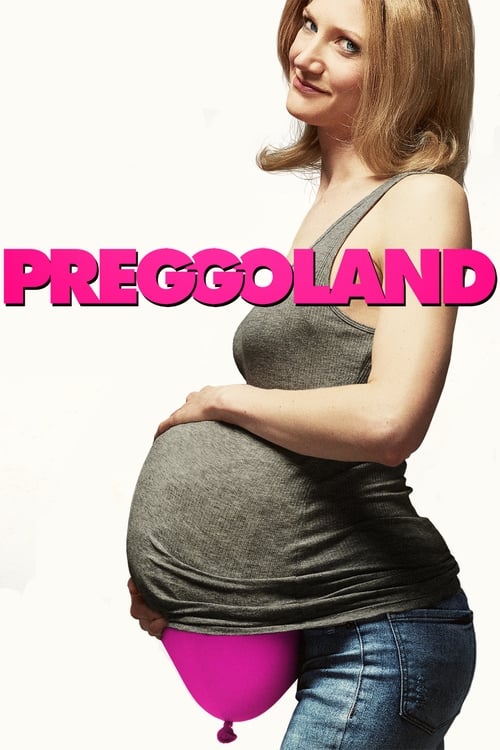
A plus-size supermodel invites her family over to experience the birth of her first child.
2013
2020

2020

2022
2021

2019
2014
1995
No reviews yet. Be the first to share your thoughts on this movie!
Use the rating form above to leave a star rating and optional review.