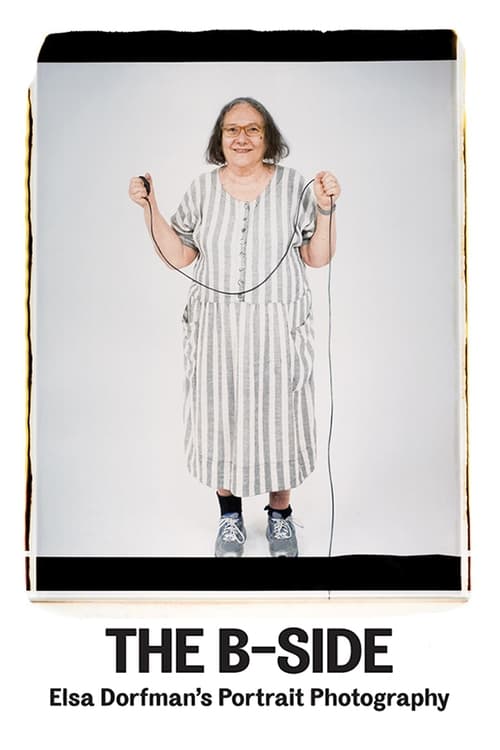
The B-Side: Elsa Dorfman's Portrait Photography
2017
No user ratings available yet
Representation score: 6.7 out of 10
Representation Score
Fair
2014
Director
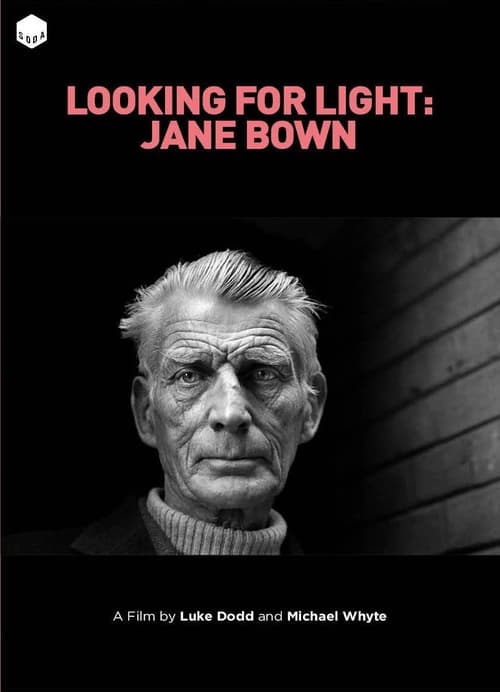
Luke Dodd, Michael Whyte
Runtime
90 minutes
Average Rating
No ratings yetNew Showbiz Analysis
This documentary provides a meaningful study of female professional ability to act. By centering Bown’s career, it challenges traditional hierarchies in historical journalism and elevates a female voice within a patriarchal industry. However, the film remains largely focused on Western historical figures and individual psychology. It lacks a primary emphasis on racial, ethnic, or LGBTQ+ diversity, maintaining a traditional biographical scope. Ultimately, the work succeeds in offering a nuanced look at a life shaped by personal experience rather than systemic identity politics.
Category Breakdown
The film focuses on Jane Bown's life and her portraits of cultural icons. There are no explicit LGBTQ+ themes or narratives present.
The documentary highlights a female professional navigating the male-dominated fields of journalism and portraiture. It gives Bown a significant role in driving the story and recognizes her individual achievements.
The subjects featured, such as Margaret Thatcher and Queen Elizabeth II, suggest a focus on Western historical figures. There is no primary emphasis on racial diversity.
The narrative prioritizes personal psychology and individual loss over institutional critique. It follows a standard biographical structure without explicit anti-Western sentiment.
The film does not mention characters or subjects navigating physical or neurodivergent disabilities.
Present on Screen
Limited or Absent
Official Synopsis
In the almost six decades that Bown worked for The Observer, she became renowned for insightful, highly individualistic portraits of the famous. Some of these portraits are now regarded as classics of the genre - Samuel Beckett, Queen Elizabeth II, The Beatles, Bertrand Russell, Mick Jagger and Margaret Thatcher. For the first time, she spoke candidly about her career and revealed how her very personal approach to the taking of portraits is informed by a deep sense of loss and abandonment. This private portrait is enhanced by a series of insightful interviews with Jane’s peers, family, colleagues, friends, and of course some of her subjects.
2017
2014
2016
2008
2019
2017
2007
2015
No reviews yet. Be the first to share your thoughts on this movie!
Use the rating form above to leave a star rating and optional review.