
Ghost
1984
No user ratings available yet
Representation score: 1.9 out of 10
Representation Score
Fair
1982
Director
Takashi Ito
Runtime
5 minutes
Average Rating
No ratings yetNew Showbiz Analysis
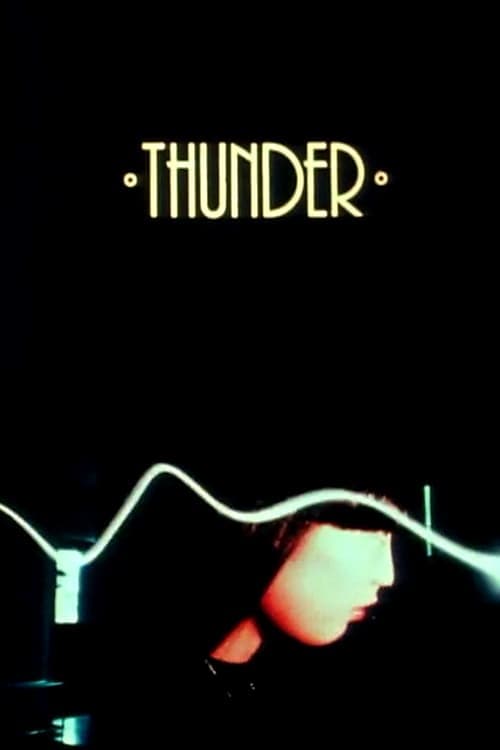
Thunder is an experimental animated film that focuses on sensory exploration rather than traditional character-driven narratives. Its strength lies in its non-Western perspective and its ability to challenge conventional cinematic structures through avant-garde techniques. Because the film relies on abstract imagery and long-exposure photography, it lacks the interpersonal depth needed to address identity or social structures directly. The representation of gender and culture is conveyed through form and origin rather than through explicit character actions. Ultimately, the film functions as a psychological exploration, offering a non-linear alternative to Anglo-Saxon narrative dominance but remaining silent on specific multi-layered identities.
Category Breakdown
The film does not provide any direct evidence of LGBTQ characters or relationships. A woman's face is used as a central motif, but there are no clear queer narratives.
A female face serves as the main visual symbol, challenging traditional gender roles. However, the film's subversion of these roles remains mostly aesthetic due to a lack of interpersonal dynamics.
As a Japanese production, the film offers a unique perspective that counters Western-centric cinema. Its abstract nature makes it difficult to analyze a diverse cast in detail.
The film rejects traditional Western storytelling in favor of ghostly, subjective imagery. This approach challenges the ordered reality often promoted by mainstream commercial cinema.
Due to its experimental and abstract nature, the film does not provide any clear depiction of physical or neurodivergent disabilities.
Present on Screen
Limited or Absent
Official Synopsis
A woman’s face disappearing behind, and emerging from, a pair of hands. Flashing lights. An empty building full of dark hallways. Designs drawn in the air with light and long-exposure cinematography.
1984
1985
1995

1962
1985
1988

1975
2007
No reviews yet. Be the first to share your thoughts on this movie!
Use the rating form above to leave a star rating and optional review.