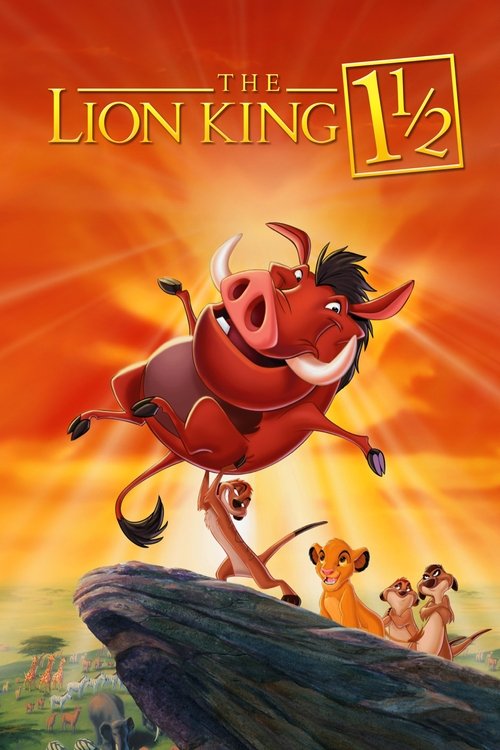
The Lion King 1½
2004
No user ratings available yet
Representation score: 1.8 out of 10
Representation Score
Limited
1998
GDirector
Darrell Rooney
Runtime
81 minutes
Average Rating
No ratings yetNew Showbiz Analysis
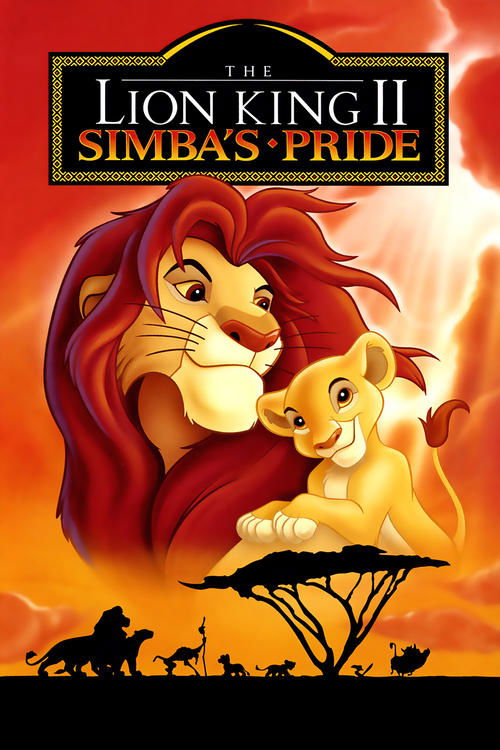
The film operates within a traditional late-90s animation framework, adhering to established brand archetypes and straight-centered romantic arcs. It maintains a patriarchal leadership structure, even as it introduces more independent female characters. However, the narrative excels at using allegory to explore complex social themes. By framing the Outsiders through the lens of systemic causality rather than pure villainy, the film subverts the typical 'us vs. them' dichotomy found in family media. Ultimately, the work sits in a transitional space. It balances conventional storytelling with a sophisticated exploration of how to dismantle exclusionary hierarchies and overcome inherited prejudice.
Category Breakdown
The film centers on a romance between Kiara and Kovu, which is oriented towards straight relationships. It does not include any representation of LGBTQ+ or non-cisgender identities, nor does it critique traditional romantic frameworks.
Kiara breaks the passive princess cliché by driving the plot through her independence and curiosity. Although the film passes the Bechdel test, the social structure still emphasizes male-led authority.
Literal racial diversity is absent due to the anthropomorphic setting. However, the divide between Pridelanders and Outsiders serves as a metaphor for tribalism and the integration of underrepresented groups.
The story critiques inherited hatred and the rigidity of traditional institutions. It frames antagonists as products of systemic trauma rather than inherent evil, prioritizing reconciliation over absolute morality.
No visible or invisible disabilities are central to the character arcs or the plot progression.
Present on Screen
Limited or Absent
Official Synopsis
The circle of life continues for Simba, now fully grown and in his rightful place as the king of Pride Rock. Simba and Nala have given birth to a daughter, Kiara who's as rebellious as her father was. But Kiara drives her parents to distraction when she catches the eye of Kovu, the son of the evil lioness, Zira. Will Kovu steal Kiara's heart?
2004

1997
2003
1994
2002
2007
2000

2014
No reviews yet. Be the first to share your thoughts on this movie!
Use the rating form above to leave a star rating and optional review.