The Daisy Chain
2008
No user ratings available yet
Representation score: 6.8 out of 10
Representation Score
Limited
1994
RDirector
George Mihalka
Runtime
90 minutes
Average Rating
No ratings yetNew Showbiz Analysis
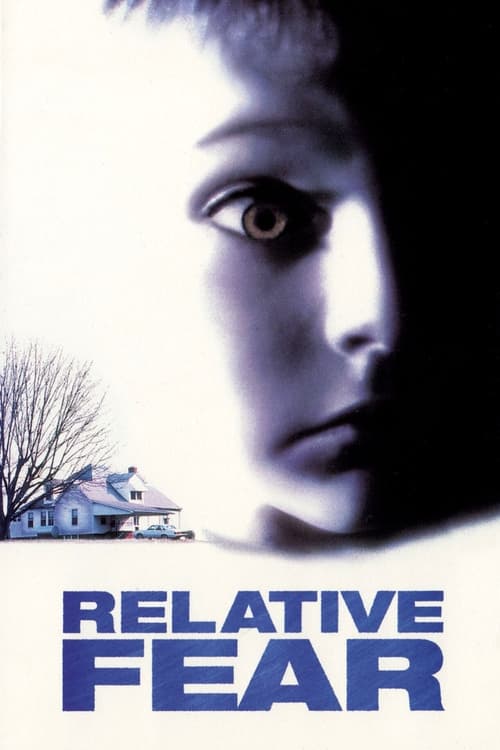
Relative Fear is a genre-driven domestic thriller that relies heavily on mid-90s cinematic conventions. Its primary narrative engine is the neurodivergence of the character Adam, which provides a platform for exploring disability, albeit through a lens of suspicion and potential simulation. However, the film lacks depth in terms of racial, cultural, or LGBTQ+ diversity. It operates within a traditional nuclear family structure and does not challenge broader social hierarchies. Ultimately, while the film centers on a character with a disability, it adheres to the standard clichés of its era.
Category Breakdown
The film does not include any LGBTQ+ characters or those with non-cisgender identities. The story focuses solely on the nuclear family unit.
The story centers on the parental struggles of Linda and Peter. While it avoids overt gender hierarchies, it operates within a traditional domestic framework.
The cast appears to lack significant ethnic diversity. The setting relies on homogeneous casting clichés typical of 1990s domestic horror.
The plot explores the breakdown of domestic trust and community norms. It does not critique Western or institutional structures.
Adam, an autistic child, is the central figure. His neurodivergence is used as a source of suspicion, potentially employing masking as a horror device.
Present on Screen
Limited or Absent
Official Synopsis
Linda and Peter Pratman's son Adam is autistic, but they still love him and hope that he'll at least start talking some day. However he's teased and abused by the kids of the neighborhood and his grandpa . When several people around Adam die an unexpected death, his parents start to suspect Adam - is he just simulating to be so ignorant about his environment?
2008
1965
2008
1976
2018

1993
2017
2005
No reviews yet. Be the first to share your thoughts on this movie!
Use the rating form above to leave a star rating and optional review.