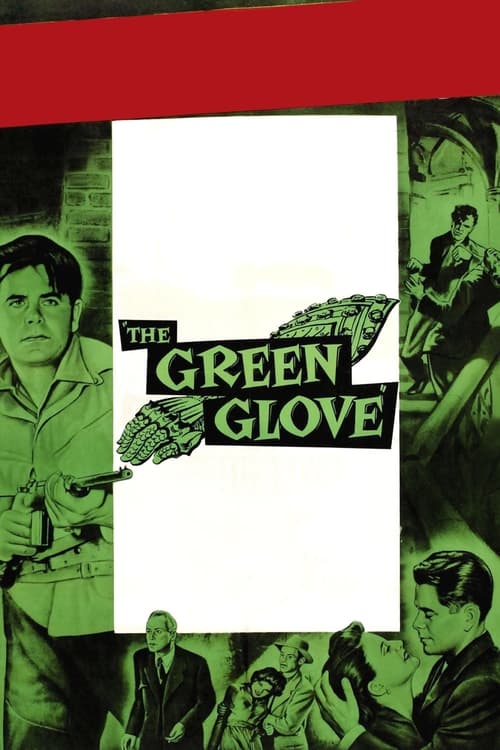
The Green Glove
1952
No user ratings available yet
Diversity score: 2.6 out of 10
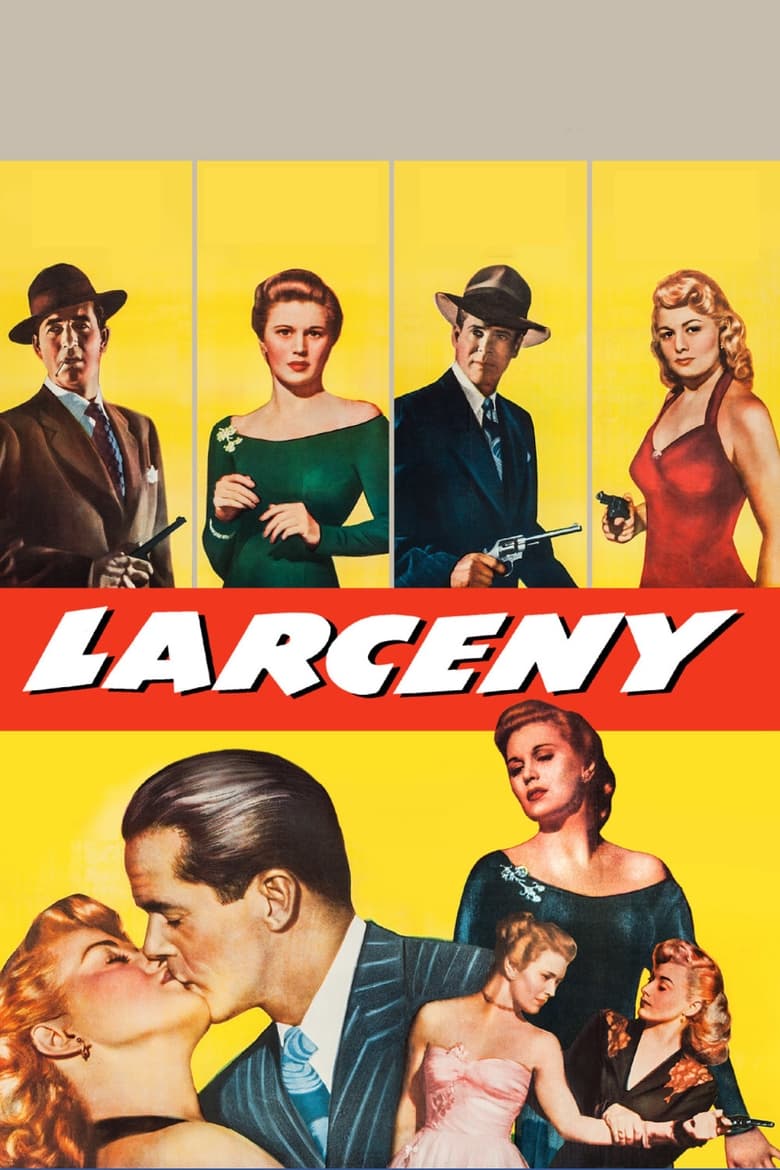
1948
NRDirector
George Sherman
Runtime
89 minutes
Average Rating
No ratings yetSynopsis
John Payne is the no-good lowdown rat who tries to capitalize on postwar patriotism and grief. He finagles a war widow into giving up her savings for a nonexistent memorial. When Payne falls in love with the widow he has pangs of conscience, but he reckons without his con-artist boss, who tends to bolster his arguments with muscle and bullets.
Overall Score
Limited
Category Breakdown
LGBTQ+ Representation
The film lacks LGBTQ+ characters or non-heteronormative identities. The plot focuses entirely on the heterosexual romantic tension between Rick Mason and a war widow.
Gender Representation
Gender roles follow traditional 1940s dynamics. The male protagonist drives the action and moral conflict, while the female widow remains a reactive victim of financial exploitation.
Racial & Ethnic Diversity
The narrative appears centered on a conventional Western demographic. There is no evidence of diverse ethnic ensembles or intentional use of race-bent casting.
Religious & Cultural Diversity
Themes of post-war grief and patriotism are explored through individual exploitation. The story operates within a standard moral framework rather than offering a systemic critique.
Disability Representation
There is no mention of characters with visible or invisible disabilities in the narrative.
Strengths
Areas for Improvement
AI Analysis
Larceny is a conventional mid-century crime drama that adheres strictly to the social hierarchies and character archetypes of 1948. The story prioritizes a standard moral arc centered on individual conscience and romantic tension. The film lacks intersectional complexity, focusing instead on a traditional male-driven plot. While it touches on post-war emotional landscapes, it does so through a narrow, homogeneous lens typical of the era's studio productions.
No reviews yet. Be the first to share your thoughts on this movie!
Use the rating form above to leave a star rating and optional review.