Cradle Swapping
2017
No user ratings available yet
Representation score: 2.2 out of 10
Representation Score
Minimal
1993
PG-13Director
Paul Schneider
Runtime
96 minutes
Average Rating
No ratings yetNew Showbiz Analysis
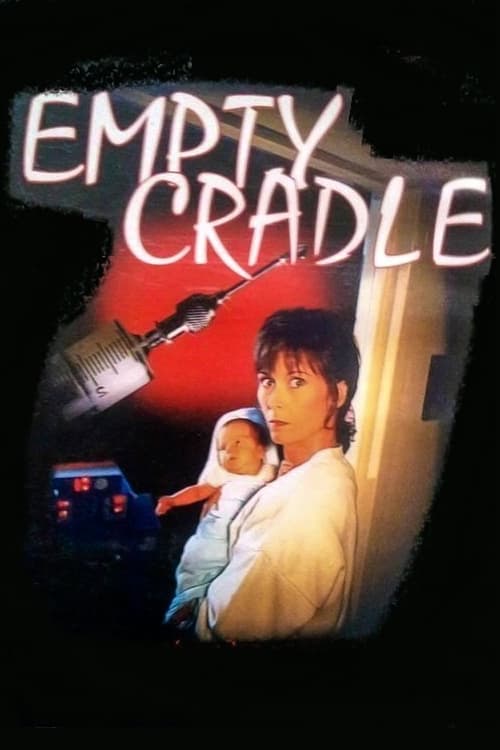
Empty Cradle operates as a typical domestic thriller from the 1990s. While the protagonist shows resilience against a corrupt institution, the narrative remains tied to traditional gendered clichés and domestic melodrama. The film lacks complexity in representing multiple aspects of identity, focusing instead on a localized conflict involving motherhood and romantic deception. There is no significant representation of racial diversity or LGBTQ+ identities within the story's framework. Ultimately, the work adheres to established social hierarchies and conventional casting, prioritizing a narrow dramatic conflict over a broader exploration of diverse identities or systemic social critiques.
Category Breakdown
The story focuses on heterosexual relationships and pregnancy, with no representation of non-binary or transgender identities. There are no critiques of traditional social structures.
Jane Morgan's character provides a strong female perspective against institutional deception. However, the plot relies on traditional stereotypes like the resilient mother and the deceptive woman.
The cast lacks diversity, featuring predominantly white characters. The narrative follows the homogeneous casting practices common in 1990s domestic dramas.
The film critiques professional authority and medical systems but does not explore broader cultural or systemic identity issues. The focus is on individual deception and personal loss.
There are no specific portrayals of physical or cognitive disabilities. The protagonist's mental state is shown through the lens of clinical denial by the hospital.
Present on Screen
Limited or Absent
Official Synopsis
Jane Morgan gives birth to her baby at the hospital. When she wakes up the next morning, the hospital tells her, that her son died at birth. However from ultrasound reading she had before, she knew she was having a girl. Now the hospital is stone-walling her, saying she is just in denial, due to her loss. Now she is trying to fight the system, to find evidence of the apparent mistake by the hospital. Only it wasn't the hospital's mistake. Nurse Rita Donohue is the one who made the switch. She faked a pregnancy to hang on to her roving boyfriend. But she grabbed the wrong baby, her boyfriend wants a son, so now she's faking a second pregnancy, and making plans to get another baby.
2017

1989
1999

1984
2018

2019

2014
1992
No reviews yet. Be the first to share your thoughts on this movie!
Use the rating form above to leave a star rating and optional review.