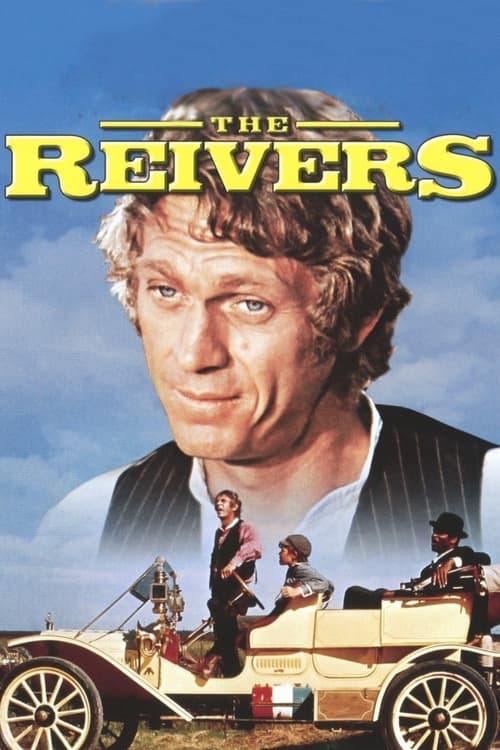
The Reivers
1969
No user ratings available yet
Representation score: 0.5 out of 10
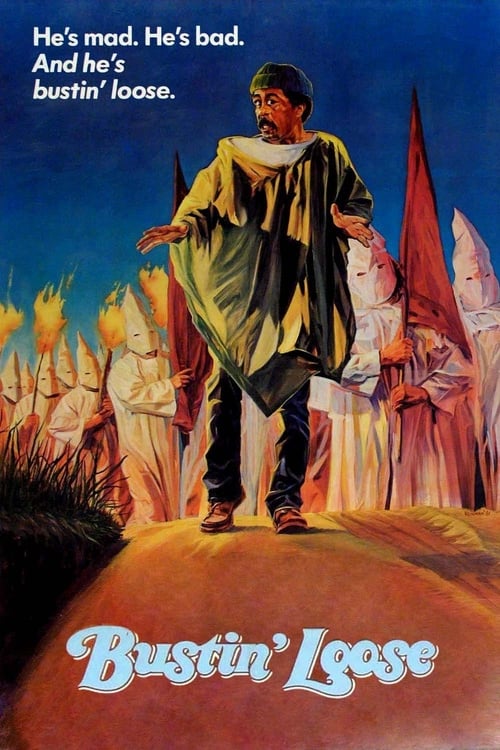
Representation Score
Excellent
1981
RDirector
Oz Scott
Runtime
94 minutes
Average Rating
No ratings yetNew Showbiz Analysis
Bustin' Loose stands out for its intentional focus on underrepresented perspectives through its dual directorial approach. By placing a Black ex-convict at the heart of the journey, the film avoids passive clichés and explores ability to act within systemic friction. The narrative's strength lies in its refusal to rely on standard clichés, particularly regarding disability and family structure. The 'special kids' are not mere background elements; they are the primary drivers of the protagonist's path to redemption. While the film excels in racial and disability representation, it remains silent on LGBTQ+ identities. However, its disruption of traditional institutional authority and patriarchal models provides a nuanced look at communal responsibility.
Category Breakdown
The film does not include explicit LGBTQ+ characters or stories focused on non-straight identities. Instead, it centers on other aspects of diversity.
The story shifts away from traditional male dominance by emphasizing caretaking and community responsibility. This challenges typical expectations of masculine leadership.
The film highlights the experiences of characters of color by featuring a Black protagonist. It explores the challenges of reintegration after incarceration and overcoming systemic barriers.
The story critiques rigid Western institutions by highlighting redemption through unconventional means. It favors a chosen, communal structure over the traditional nuclear family.
Children with special needs play a central role in driving the plot's emotional and logistical momentum. They are integrated as key characters rather than being used as secondary plot devices.
Present on Screen
Limited or Absent
Official Synopsis
After ex-con Joe Braxton violates his probation, he is given a second chance. All he has to do is drive a group of special kids across the country.
1969

1973

1993

1990

1987

1987
1991

2010
No reviews yet. Be the first to share your thoughts on this movie!
Use the rating form above to leave a star rating and optional review.