
101 Reykjavik
2000
No user ratings available yet
Representation score: 4.4 out of 10

Representation Score
Fair
2010
Director
Xabi Molia
Runtime
103 minutes
Average Rating
No ratings yetNew Showbiz Analysis
8 Times Up is a character-driven social drama that shines in its critique of systemic instability. By focusing on the 'art of failure' and the struggle to survive within rigid economic structures, the film offers a meaningful look at social precarity. However, the film lacks explicit markers reflecting multiple aspects of identity. The narrative focuses heavily on socioeconomic hardship but misses opportunities to engage with racial diversity or LGBTQ+ visibility, resulting in a narrow demographic scope. While Elsa provides a strong example of women's ability to drive the story in a challenging landscape, the overall representation remains limited by its lack of diverse ethnic or identity-based storytelling.
Category Breakdown
The film centers on the relationship between Elsa and Mathieu, without addressing non-traditional gender identities or questioning the assumption that everyone is straight or cisgender.
Elsa plays a central role in navigating economic hardships and legal battles for custody, offering a departure from typical domestic clichés.
The story prioritizes socioeconomic status over ethnic or racial identity, with no mention of a multi-ethnic cast or actors playing roles outside their traditional backgrounds.
The narrative critiques modern economic and social systems through characters struggling to fit into a rigid societal framework, highlighting the precariousness of life.
The film does not provide any information about the depiction of physical, neurodivergent, or mental health conditions.
Present on Screen
Limited or Absent
Official Synopsis
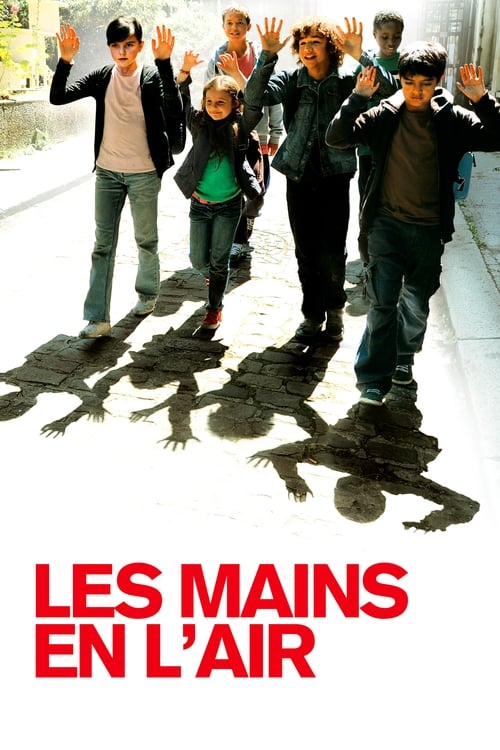
Elsa makes a living from little jobs, struggling to gain custody of his son. Mathieu, who lives next door, also keeps getting job interviews only to polish his art of failure. Their situation is increasingly precarious, but both are trying to bounce back in a world that seems not to fit them.
2000

1996

2018
2008

2017

2021
2010

2014
No reviews yet. Be the first to share your thoughts on this movie!
Use the rating form above to leave a star rating and optional review.