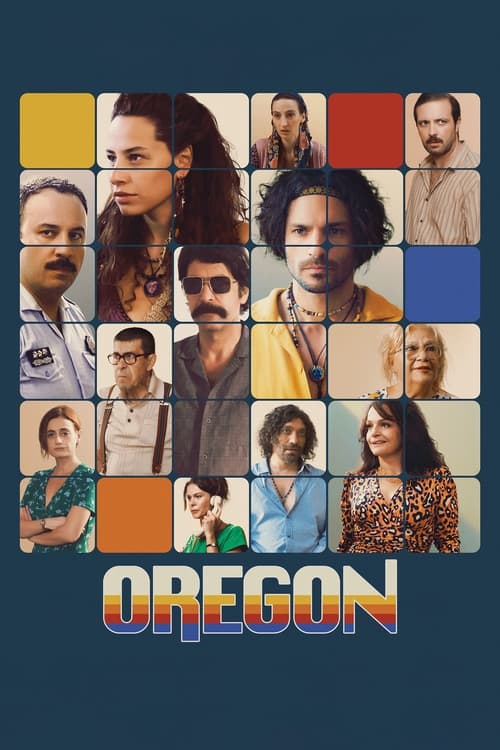
Oregon
2023
No user ratings available yet
Representation score: 5.4 out of 10

Representation Score
Limited
2017
Director
Doğa Can Anafarta
Runtime
105 minutes
Average Rating
No ratings yetNew Showbiz Analysis
We'll Get Back to You is a character-driven dramedy that emphasizes interpersonal connections rather than identity politics. It uses the shared experience of economic instability to foster connections among its characters. The film provides a modest critique of capitalist structures through the theme of unemployment. This focus on systemic economic hardship adds a layer of social relevance. However, the film lacks complexity in representing diverse identities and does not challenge traditional social hierarchies.
Category Breakdown
The film does not include any LGBTQ+ characters or representations of non-straight relationships. The narrative centers on typical romantic and friendship themes.
Female actors like Hande Soral and Bestemsu Özdemir play key roles. However, it is unclear whether the film challenges traditional gender roles or reinforces existing hierarchies.
The production likely mirrors the local Turkish population. There is no specific indication of multi-ethnic casting or intentional blending of diverse backgrounds.
The story examines economic hardships through the lens of unemployment. This offers a moderate critique of capitalist systems via the shared experience of joblessness.
There is no information about the inclusion of neurodivergent characters or individuals with physical or sensory disabilities.
Present on Screen
Limited or Absent
Official Synopsis
The only cure of being jobelessness, unhappy and hopelessness is friendship, life is beautiful together.
2023

2007

2003
1996

2015
2010

2012

1989
No reviews yet. Be the first to share your thoughts on this movie!
Use the rating form above to leave a star rating and optional review.