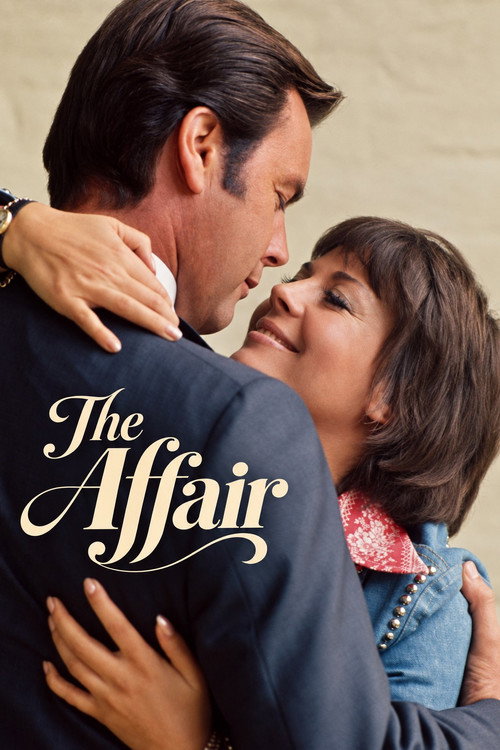
The Affair
1973
No user ratings available yet
Representation score: 3.9 out of 10

Representation Score
Limited
1987
PGDirector
Glenn Bydwell
Runtime
90 minutes
Average Rating
No ratings yetNew Showbiz Analysis
The film opens on a close-up of Tamara Chaplin’s face, bathed in warm light, establishing her as the ethereal moral anchor before the narrative even begins. This 1987 television drama sells a vision of artistic harmony where the structured discipline of ballet meets the spontaneous heat of blues, framing the union of these two worlds as the ultimate romantic resolution. The camera lingers on Chaplin’s vulnerability, treating her as the "holy" center, while Rex Smith’s character provides the active, rugged energy that complements rather than challenges her authority. The sold meaning is that love and art can transcend professional boundaries, rewarding the couple’s synthesis of differing artistic traditions. However, the film’s internal logic remains firmly within traditional Western defaults: the cast is entirely white, the relationship is strictly heterosexual, and the gender dynamics adhere to conventional roles where the woman is the moral ideal and the man is the passionate agent. There is no satire or subversion; the film takes its premises seriously, presenting the leads as emulatable figures whose personal triumphs validate individual merit over systemic critique. The ending settles on a static, stable frame of the couple together, rewarding their union and punishing isolation. This final image affirms the value of personal connection and artistic integrity, but it does so without challenging the unmarked whiteness or traditional gender expectations that underpin the story. The film’s argument is thin in its cultural scope, relying on the comfort of familiar romantic tropes rather than exploring deeper societal contradictions. It is a sincere, if unremarkable, portrait of two artists finding balance, where the last word belongs to the stability of their partnership.
Category Breakdown
The narrative centers exclusively on a heterosexual romance between a ballerina and a blues musician. No queer characters, relationships, or identity markers appear in the cast or plot.
Andrea Decaro is the moral and aesthetic center, her discipline framed as virtuous. Rick Peterson provides the active, passionate counterpoint. The film treats their union as a synthesis of female structure and male spontaneity.
The cast is entirely white, reflecting the 1987 television movie’s unmarked Western default. No non-white characters appear in principal or supporting roles, and race is not a narrative element.
The film celebrates individual artistic merit and romantic love as the primary cultural values. Traditional institutions like family or nation are absent; instead, the narrative validates the personal triumph of two artists overcoming professional differences through mutual respect.
Andrea’s leg injury ends her stage career, serving as the inciting incident that forces her to open a school. The impairment is treated as a professional limitation rather than a moral lesson, allowing her to transition into a teaching role without stigma.
Present on Screen
Limited or Absent
Official Synopsis
A young ballerina opens a school after a leg injury ends her stage career. A blues musician in the same building distracts and annoys her with his constant playing.
1973
1952

2001

2022

1999
1986

1975
1999
No reviews yet. Be the first to share your thoughts on this movie!
Use the rating form above to leave a star rating and optional review.