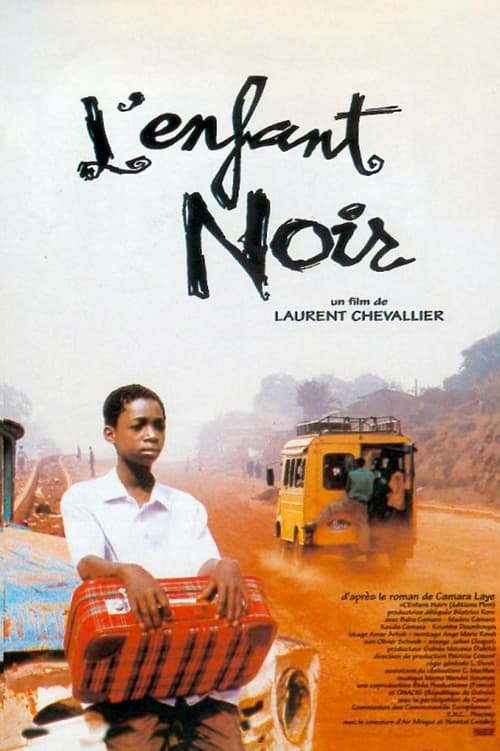
The African Child
1995
No user ratings available yet
Representation score: 5.7 out of 10
Representation Score
Good
2017
GDirector
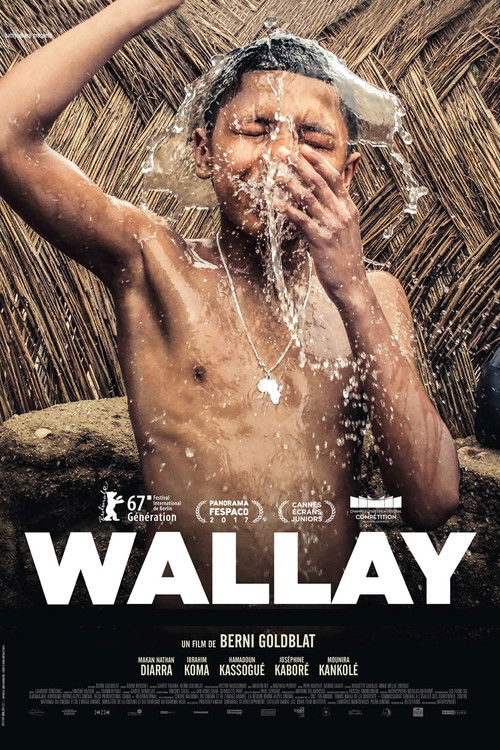
Berni Goldblat
Runtime
84 minutes
Average Rating
No ratings yetNew Showbiz Analysis
Wallay is a thoughtful character study that avoids simplistic stereotypes, especially concerning the immigrant experience. Its strength lies in using geography to shape identity, moving beyond typical coming-of-age stories to explore the tension between tradition and individuality. While the film offers a nuanced look at the African diaspora and the complexities of transnational life, it lacks representation of LGBTQ+ identities or specific disability issues. These dimensions of the human experience remain unexplored. Overall, the film succeeds as a reflective piece on displacement. It provides insight into how cultural paradigms and socioeconomic pressures affect a young person's journey into adulthood.
Category Breakdown
The film does not include any LGBTQ+ characters or explore non-straight identities. The story focuses on the protagonist's family relationships.
The story contrasts Western gender norms with traditional milestones of manhood in Burkina Faso. It also portrays a single father dealing with resource scarcity.
The film successfully depicts transnational identity and the African diaspora. It avoids stereotypical portrayals by focusing on a child navigating German and Burkinabe cultures.
The narrative examines the tension between Western individualism and communal traditions. It highlights the burden of traditional family expectations on individuals.
The film does not prominently depict physical or neurodivergent disabilities. Instead, it touches on the themes of childhood loneliness and cultural displacement.
Present on Screen
Limited or Absent
Official Synopsis
Ady, a 13 years old boy, no longer listens to his father who raises him alone. The latter, running out of resources, decides to entrust Ady to his uncle Amadou for the summer. Uncle Amadou and his family live on the other side of the Mediterranean sea... in Burkina Faso! There, at 13 years, one must become a man but Ady, persuaded to go on holidays, understands things differently.
1995
2017
2013
2017
2009
2021
2023
2018
No reviews yet. Be the first to share your thoughts on this movie!
Use the rating form above to leave a star rating and optional review.