
Runnin' Rebels of UNLV
2011
No user ratings available yet
Representation score: 2.9 out of 10

Representation Score
Minimal
2017
TV-PGDirector
George Roy
Runtime
60 minutes
Average Rating
No ratings yetNew Showbiz Analysis
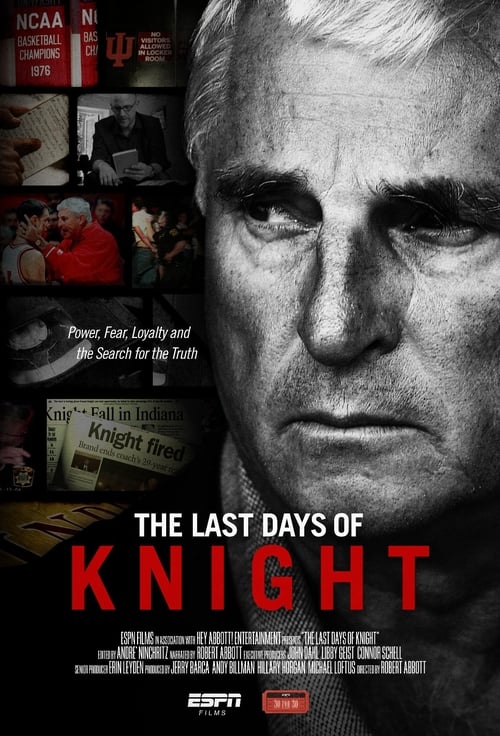
Perfect in '76 serves as a traditional historical retrospective of a specific athletic achievement. The documentary prioritizes the preservation of the 1976 Indiana Hoosiers' legacy and Coach Bobby Knight's reputation. Because the subject matter is rooted in a specific era of collegiate men's basketball, the film naturally reflects the social hierarchies of that time. The narrative structure focuses on institutional excellence rather than challenging social norms. Ultimately, the film functions as a biographical look at sports history, offering little engagement with progressive social frameworks or diverse identities.
Category Breakdown
The film focuses on the 1976 Indiana Hoosiers and Coach Bobby Knight. There are no LGBTQ+ characters or narratives addressing non-cisgender identities.
The narrative centers on a male-dominated collegiate basketball environment. Leadership and primary roles are held by men, reflecting traditional gender hierarchies.
The documentary revisits a specific historical moment in Indiana basketball. The context lacks details regarding the racial makeup of the cast or ethnic diversity.
The film aligns with traditional Western values of meritocracy and institutional excellence. It celebrates a 'perfect' season and historical athletic legacy.
There is no information regarding the inclusion or portrayal of individuals with visible or invisible disabilities.
Present on Screen
Limited or Absent
Official Synopsis
Documentary revisiting the ‘76 Hoosiers and renowned coach Bobby Knight, who led his Indiana team to a perfect 32-0 season and a national championship.
2011

2023
2018

2013
2015

2022
2017

2021
No reviews yet. Be the first to share your thoughts on this movie!
Use the rating form above to leave a star rating and optional review.