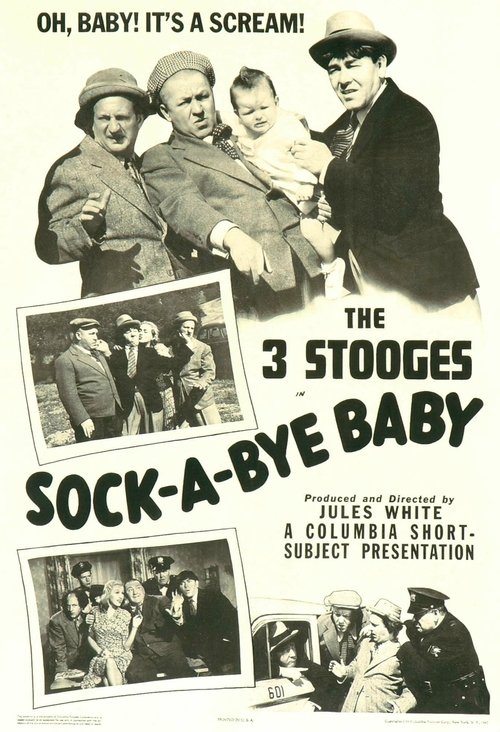
Sock-a-Bye Baby
1942
No user ratings available yet
Representation score: 0.5 out of 10
Representation Score
Minimal
1951
NRDirector
Jules White
Runtime
16 minutes
Average Rating
No ratings yetNew Showbiz Analysis
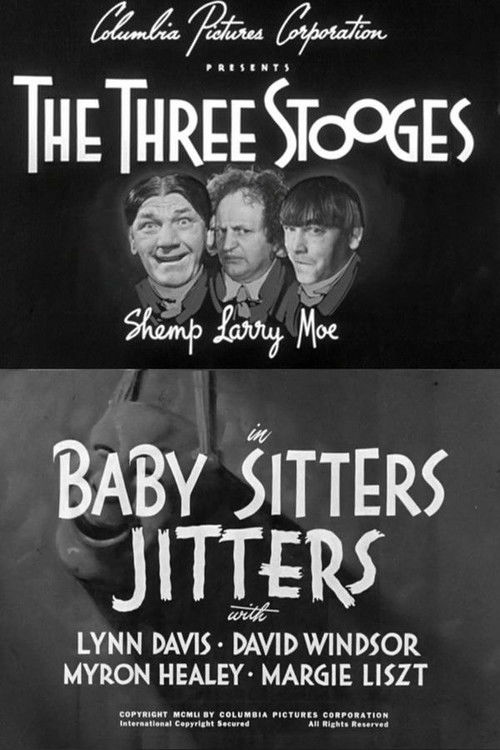
Baby Sitters Jitters is a conventional mid-century comedy that prioritizes slapstick humor over social commentary. The narrative structure upholds established family structures and cultural expectations of the 1950s. The film reinforces traditional social hierarchies, focusing on restoring a marital bond. It lacks representation of diverse identities, adhering to the homogeneous standards of its era. Ultimately, the work functions as a restorative tale where the protagonists intervene to return the domestic unit to its expected norm.
Category Breakdown
The film focuses on a traditional family unit and does not include any queer-coded subtext or non-cisgender identities.
Gender roles in the film follow mid-century conventions, showing the female protagonist in a vulnerable domestic role. The plot restores a traditional patriarchal family structure.
The cast reflects the homogeneous demographics of 1950s American comedy. The narrative does not include diverse representation or the subversion of racial hierarchies.
The story upholds Western social institutions, particularly the nuclear family and marriage. It functions as a restorative narrative that maintains social order and stability.
No characters with visible or invisible disabilities are present. The comedy relies on physical slapstick humor rather than portraying neurodivergence or physical impairment.
Present on Screen
Limited or Absent
Official Synopsis
The stooges are facing eviction and decide to raise some money by becoming baby-sitters. Their first client is a women separated from her husband, who entrusts her son "Junior" to the boys' care. When The husband steals the baby, the stooges set out to find their missing charge and return him to his mother. The boys confront the husband and find Junior, and in the process the estranged couple is re-united.
1942
1938
1946
1950
1953
1953
1955
1940
No reviews yet. Be the first to share your thoughts on this movie!
Use the rating form above to leave a star rating and optional review.