
Milea
2020
No user ratings available yet
Representation score: 2.8 out of 10
Representation Score
Fair
2021
TV-14Director
Charles Gozali, Bagus Bramanti
Runtime
101 minutes
Average Rating
No ratings yetNew Showbiz Analysis
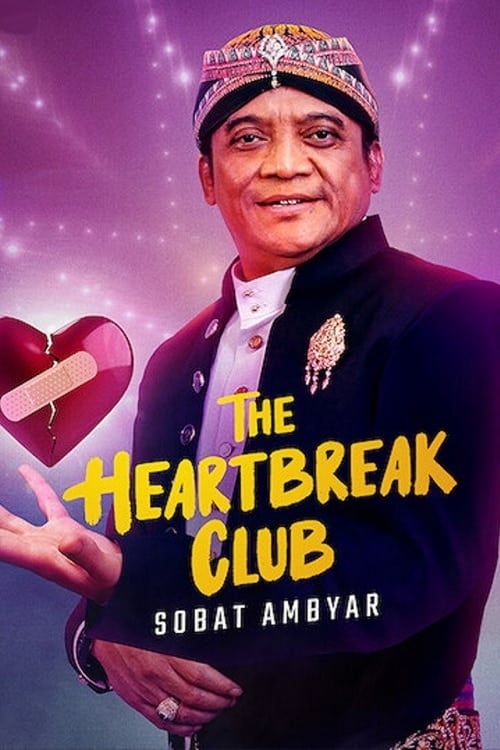
The Heartbreak Club succeeds as a culturally specific drama that challenges Western-centric media hegemony. By integrating Javanese musical heritage into the core narrative, the film elevates regional traditions and linguistic nuances to a central role. While the film lacks explicit engagement with identity politics regarding gender or sexuality, it finds strength in cultural de-centering. It moves the focus away from globalized norms toward an authentic expression of regional identity. Ultimately, the film serves as a celebration of localized emotional landscapes, prioritizing communal coping mechanisms over the typical trajectories found in urban dramas.
Category Breakdown
The film focuses on the communal solace of Javanese music and the experience of heartbreak. There is no visible engagement with LGBTQ+ themes or queer narratives.
The story centers on a shy cafe owner navigating emotional vulnerability. This focus on emotional intelligence suggests a departure from traditional, stoic masculine archetypes.
The film excels by centering Javanese love songs and regional identity. This approach disrupts the dominance of Westernized pop culture within Southeast Asian cinema.
The narrative celebrates regionalism by using folk music as an emotional anchor. It prioritizes local communal healing over standardized, globalized clichés of modern success.
There is no evidence regarding the portrayal of physical or neurodivergent disabilities in this work.
Present on Screen
Limited or Absent
Official Synopsis
Coping with heartbreak, the shy owner of a floundering cafe finds solace in the Javanese love songs of Didi Kempot.
2020

1974

2018

2011
2019

2020
2016
2018
No reviews yet. Be the first to share your thoughts on this movie!
Use the rating form above to leave a star rating and optional review.