
Baby Geniuses
1999
No user ratings available yet
Representation score: 2.4 out of 10

Representation Score
Minimal
2015
TV-GDirector
Scott McAboy
Runtime
100 minutes
Average Rating
No ratings yetNew Showbiz Analysis
Splitting Adam is a conventional family comedy that relies on well-known clichés and a homogeneous cast. The narrative focuses on a single male perspective, reinforcing traditional gender roles and suburban stereotypes. The film lacks depth in reflecting multiple aspects of identity, failing to include LGBTQ+ characters or diverse racial representation. It functions as a straightforward morality play that upholds standard social norms without challenging systemic issues. Overall, the production adheres to traditional demographic norms, presenting a narrow view of the American experience through a strictly straight and non-diverse lens.
Category Breakdown
The film does not include any LGBTQ+ characters or non-cisgender identities. It follows a traditional storyline focused on a straight protagonist.
The story revolves around a male protagonist's struggles. Female characters have limited roles and do not challenge traditional gender roles.
The film features a predominantly white, middle-class cast. This reinforces a homogeneous portrayal of suburban life without diverse casting.
The story presents a traditional morality tale centered on social responsibility. It upholds conventional family structures without addressing diverse cultural perspectives.
The film does not feature any characters with disabilities, either visible or hidden. The cloning theme serves as a metaphor for identity issues rather than disability.
Present on Screen
Limited or Absent
Official Synopsis
After accidentally stumbling into his uncle's mysterious "tanning bed", Adam learns the answer to all of his problems - multiple Adams. With his new collection of clones, Adam is hopping on one wild summer ride with an epic splash.
1999

2013

2012
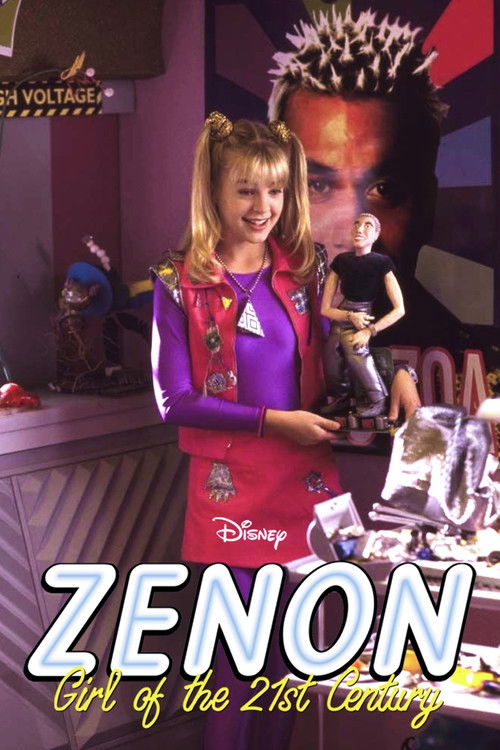
1999
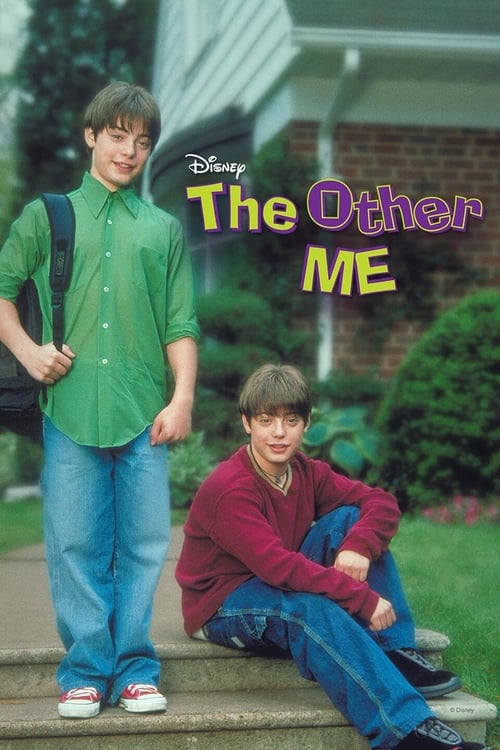
2000
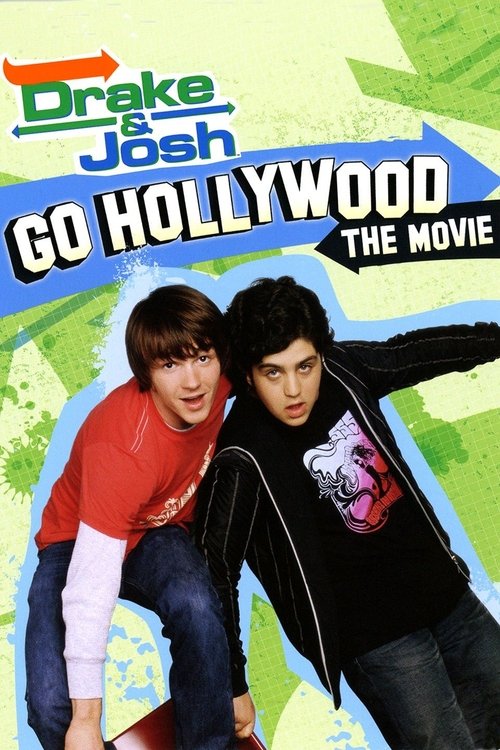
2006
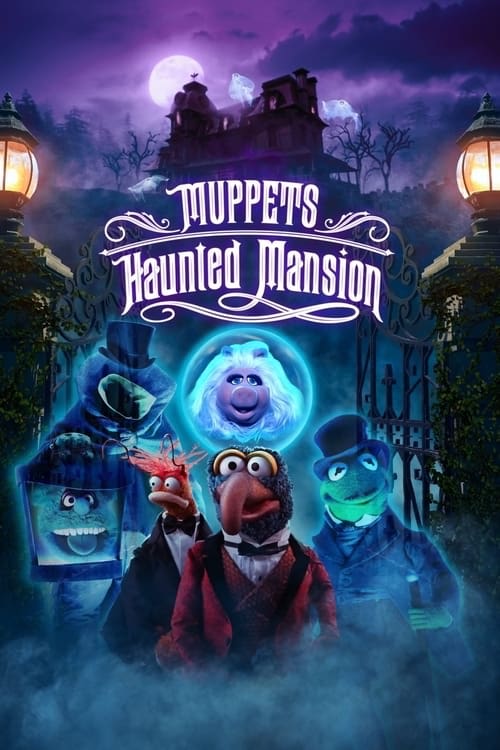
2021
2020
No reviews yet. Be the first to share your thoughts on this movie!
Use the rating form above to leave a star rating and optional review.