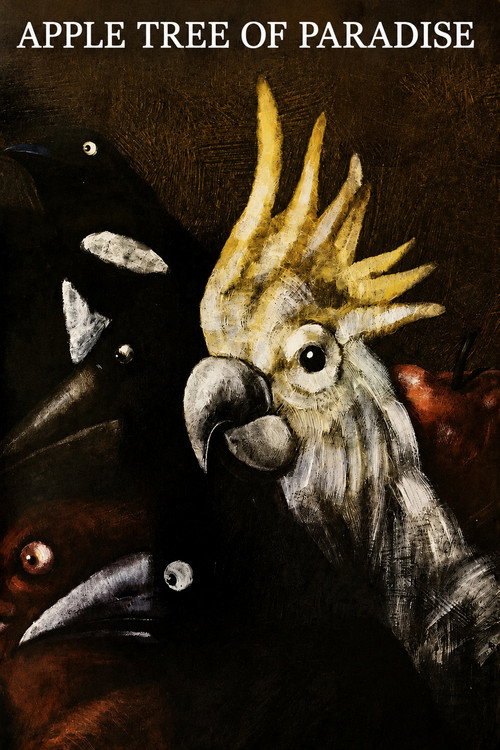
Apple Tree of Paradise
1986
No user ratings available yet
Representation score: 5.9 out of 10

Representation Score
Fair
1984
PGDirector
Zelda Barron
Runtime
98 minutes
Average Rating
No ratings yetNew Showbiz Analysis
Secret Places stands out for its gendered narrative architecture, successfully reclaiming the coming-of-age genre for female protagonists. By focusing on the transition from childhood to womanhood, it disrupts the male-centric gaze common in 1980s cinema. While the film excels in granting female characters high levels of ability to act and emotional depth, it lacks broad racial, ethnic, or overt LGBTQ+ representation, which limits its scope within a wider social context. Ultimately, the film is a character-driven study of female social hierarchies. It prioritizes interpersonal dynamics and female intellect over external patriarchal structures, offering a meaningful departure from the cinematic standards of its era.
Category Breakdown
The film focuses on female intimacy and adolescent bonding but does not explicitly include LGBTQ+ identities or narratives that challenge the assumption that everyone is straight or cisgender.
The narrative subverts traditional hierarchies by removing male figures from the central focus. Female characters play a significant role in driving the story and have high emotional complexity.
The cast is predominantly white and working-class. The film lacks significant racial diversity or non-Anglo-Saxon casting to disrupt historical norms.
The film offers a realistic portrayal of working-class life. It subtly deconstructs domestic hierarchies through adolescent friction with parental authority.
There is no documented evidence regarding the inclusion of characters with physical or neurodivergent disabilities.
Present on Screen
Limited or Absent
Official Synopsis
Young girls, soon to be women, sharing everything...except their secret places.
1986

2020

1984
1980

1998
1967

1968

1978
No reviews yet. Be the first to share your thoughts on this movie!
Use the rating form above to leave a star rating and optional review.