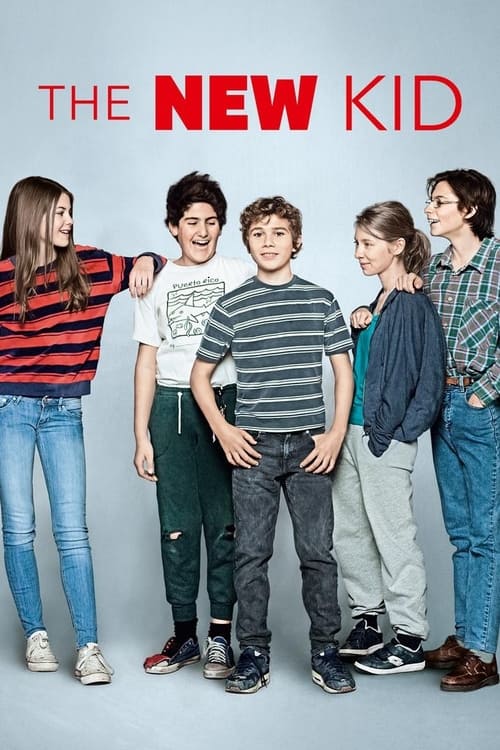
The New Kid
2015
No user ratings available yet
Diversity score: 2.0 out of 10

2010
Director
Rudi Rosenberg
Runtime
20 minutes
Average Rating
No ratings yetSynopsis
In the schoolyard, Benoît loses a bet to his friends. His penalty: ask Aglaée, a disabled student, out on a date.
Overall Score
Fair
Category Breakdown
LGBTQ+ Representation
The film lacks visible queer subtext or non-heteronormative identities. The central romantic premise follows a traditional heteronormative structure centered on a bet.
Gender Representation
The plot utilizes conventional social dynamics and traditional comedic tropes. There is no evidence of subverting gender hierarchies or deconstructing masculinity.
Racial & Ethnic Diversity
The narrative provides no information regarding the racial or ethnic composition of the cast. No assessment of diverse casting is possible.
Religious & Cultural Diversity
The story operates within a standard social framework without challenging systemic power or Western institutions. It relies on common comedic tropes like social bets.
Disability Representation
Aglaée is a central disabled character, providing a baseline for representation. However, her role risks being a mere plot device for the protagonist's social stakes.
Strengths
Areas for Improvement
AI Analysis
Aglaée centers its narrative on a disabled student, which offers a foundation for disability representation. However, the film's reliance on a 'bet' mechanic suggests the character may serve more as a social penalty for the male protagonist than as an autonomous individual. The film adheres to traditional comedic structures, lacking intersectional complexity. The gender and LGBTQ+ elements follow conventional heteronormative patterns without subverting established social hierarchies. Overall, the work lacks evidence of racial diversity or cultural critique, functioning within a standard, predictable social framework.
2015

2002
2008

2008
1992

2005

2005
2019
2000

2014

2005

2005
No reviews yet. Be the first to share your thoughts on this movie!
Use the rating form above to leave a star rating and optional review.