Kon-Tiki
2012
No user ratings available yet
Representation score: 0.5 out of 10
Representation Score
Limited
1986
GDirector
Junya Satō
Runtime
140 minutes
Average Rating
No ratings yetNew Showbiz Analysis
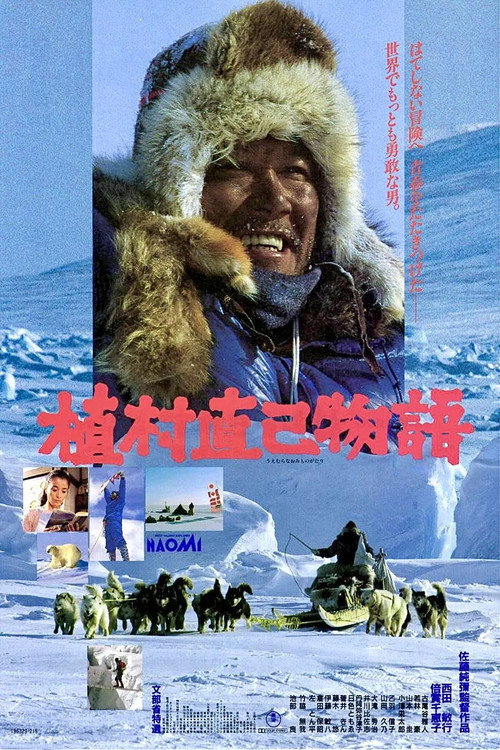
Lost in the Wilderness is a biographical adventure that emphasizes individual merit and physical prowess. It offers a non-Western viewpoint on global exploration, which is a significant shift from typical Western narratives. However, the film adheres closely to traditional male clichés, focusing on a singular male experience of endurance and conquest, and it does not delve into perspectives that reflect multiple aspects of identity or broader social critiques.
Category Breakdown
The film focuses solely on the adventures and achievements of Naomi Uemura, with no representation of LGBTQ+ identities or critiques of the assumption that everyone is straight or cisgender.
The story centers on a single male protagonist who embodies traditional masculine traits such as physical endurance and individualistic conquest of nature.
As a Japanese production, it provides a non-Western perspective on global exploration, disrupting the Anglo-centric narrative by focusing on a Japanese figure in the adventure genre.
The narrative celebrates the lone adventurer and his connection with nature, avoiding direct criticism of religious or capitalist institutions.
The film highlights peak physical performance and survival skills, with no representation of neurodivergent or physical disabilities.
Present on Screen
Limited or Absent
Official Synopsis
The life and travels of adventurer Naomi Uemura, who disappeared in Alaska in 1984. A member of the first Japanese expedition to reach the summit of Mt Everest in 1970, Uemura also accomplished several "firsts". He was the first man to reach the North Pole solo, climb Denali solo, and float down the Amazon river solo. In the film, Uemura returns to Tokyo after a stint in Siorapaluk in Northern Greenland. In Tokyo, he reconnects with an old friend and, over coffee, shares his life story - from his days as a college dropout to his successful expedition to the top of Everest.
2012
2013

1970
2021
2024
2008
2023
2003
No reviews yet. Be the first to share your thoughts on this movie!
Use the rating form above to leave a star rating and optional review.