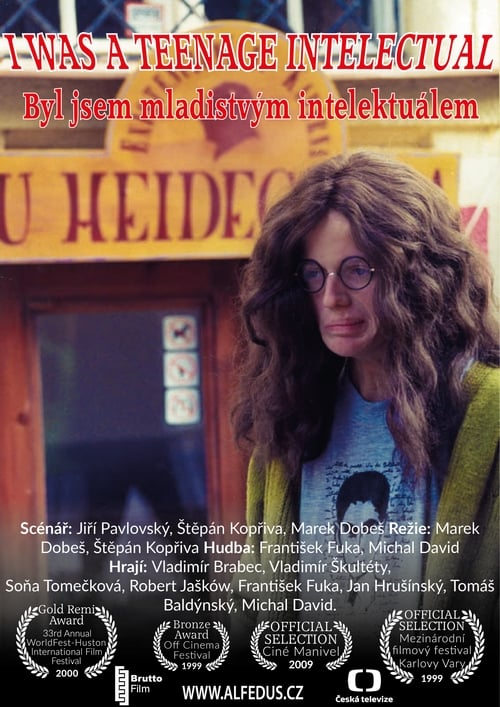
I Was a Teenage Intellectual (Byl jsem mladistvým intelektuálem)
1999
No user ratings available yet
Representation score: 4.9 out of 10
Representation Score
Good
2014
Director
Rastislav Blažek, Peter Čermák, Zuzana Paulini
Runtime
94 minutes
Average Rating
No ratings yetNew Showbiz Analysis
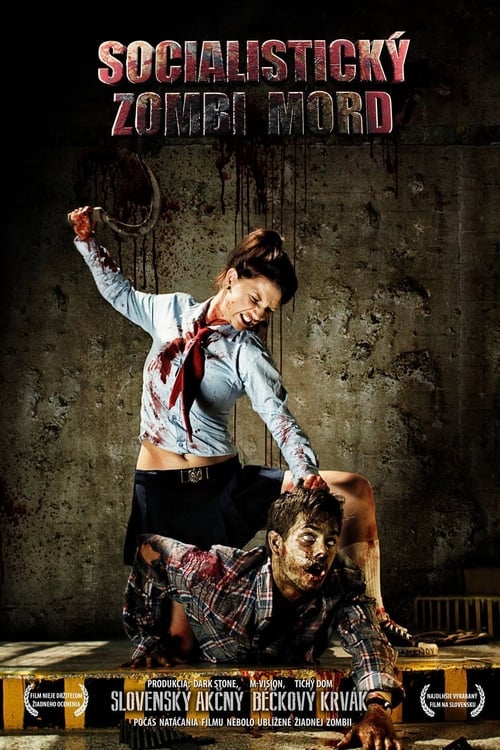
Socialist Zombie Massacre is a genre-driven critique of historical political structures. It finds its strength in using horror to deconstruct the failures of state-mandated systems and military experiments. While the film lacks depth regarding gender and sexuality, it succeeds in its thematic subversion of institutional authority. The narrative uses the zombie cliché to explore systemic contagion and political instability. Ultimately, the film prioritizes geopolitical and cultural commentary over diverse character representation, making it a niche historical satire rather than a broad social study.
Category Breakdown
The film does not include explicit LGBTQ+ characters or non-straight relationships. The narrative centers on student survival and military figures, without any visible queer subtext or character development.
Sergei, a former Red Army officer, embodies a traditional masculine authority figure. However, the survival struggle among students hints at a potential shift in power dynamics away from established hierarchies.
Set during the Soviet occupation of Czechoslovakia, the cast likely reflects the ethnic homogeneity of the Eastern Bloc. The story emphasizes geopolitical identity over multi-ethnic diversity.
The film sharply criticizes state-run institutions and centralized power. Using socialist iconography like the red flag as a weapon symbolically deconstructs political stability.
The infected students are portrayed as antagonistic beasts rather than characters with nuanced lived experiences. Their physiological transformation serves as a horror spectacle rather than a study of disability.
Present on Screen
Limited or Absent
Official Synopsis
In a research station in the Soviet military area of Beregavoye, a gas was developed to destroy the armies of the enemies of socialism. However, the gas experiment got out of control and had to be shut down. The remaining smoke bombs reached us during the Soviet occupation of Czechoslovakia in August 1968. Later, during a conscription exercise for high school students in 1985, gas from a stray smoke bomb infected students. A small group of students struggle to survive with their infected, aggressive classmates, but also with the schoolmaster Sergei, a former Red Army special forces officer. The infected students become biting and killing beasts. They fight with saw, club and red flag.
1999
1969

2016
2011
2012

1985
1987

2014
No reviews yet. Be the first to share your thoughts on this movie!
Use the rating form above to leave a star rating and optional review.