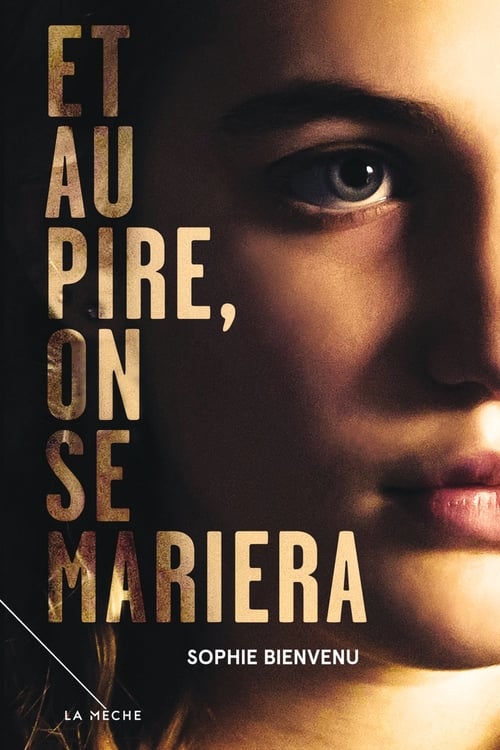
Worst Case, We Get Married
2017
No user ratings available yet
Representation score: 5.1 out of 10
Representation Score
Fair
2016
Director
Felipe Sholl
Runtime
92 minutes
Average Rating
No ratings yetNew Showbiz Analysis
Felipe Sholl’s drama functions as a psychological character study that challenges conventional social and moral expectations. It avoids traditional binaries, opting for a nuanced look at how individuals navigate desire outside established norms. The film's strength lies in its rejection of standard romantic clichés and its focus on the emotional autonomy of its female protagonist. By centering on Angela's awakening, the narrative disrupts traditional gender hierarchies. However, the film lacks explicit representation for many underrepresented groups. While it offers a non-Western cultural perspective, it provides little insight into racial or disability-related diversity.
Category Breakdown
The film does not explicitly include queer identities or struggles. Instead, it explores non-traditional intimacy and unconventional relationships that exist outside standard social structures.
Angela's journey focuses on reclaiming control and sexual autonomy after her marriage ends. The narrative challenges the passive 'abandoned wife' stereotype by emphasizing her independence.
As a Brazilian production, the film offers a non-Western perspective. However, specific details about the racial composition of the ensemble are not provided.
The story deconstructs the idealized family by focusing on domestic dysfunction. It prioritizes personal experiences and situational ethics over traditional moral judgments or social norms.
There is no information available regarding the depiction of physical or neurodivergent disabilities in this work.
Present on Screen
Limited or Absent
Official Synopsis
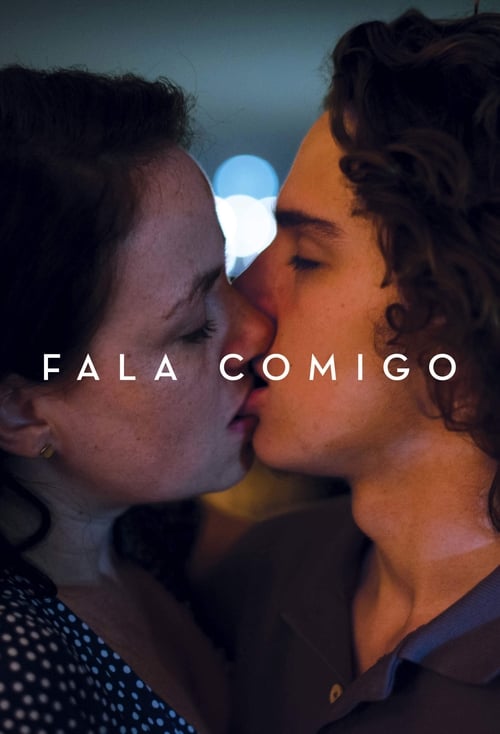
Diogo (17) has a little quirk: he likes to call his mother's female therapy patients and masturbate while listening to them on the phone. One of these patients is Angela (43), a woman who was just left by her husband When Diogo calls Angela, she thinks it's her husband calling. She starts having a relationship with the silence on the other end of the line. But when she finds out it's Diogo, she's disgusted. She's furious. But, most of all, she's attracted to this person who showed so much interest in her. The only person who called her every day. Diogo helps Angela see that she can have a new beginning and she shows him his way to independence. But they have to face a number of obstacles: There's the age difference, Diogo's mother, and, especially, his own path to adulthood.
2017

2016

2019

2022
2023
2013

2000
2005
No reviews yet. Be the first to share your thoughts on this movie!
Use the rating form above to leave a star rating and optional review.