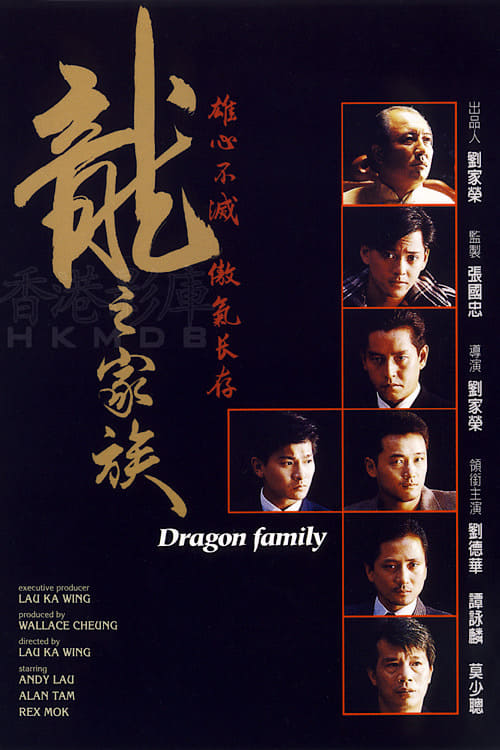
The Dragon Family
1988
No user ratings available yet
Diversity score: 3.8 out of 10

1976
RDirector
Steve Chan Ho
Runtime
90 minutes
Average Rating
No ratings yetSynopsis
Shek Kin plays the head of a large crime family. His sons get into all sorts of trouble with the other triad bosses. They both escalate the situation with drugs and murder and create a bitter feud with a rival family.
Overall Score
Limited
Category Breakdown
LGBTQ+ Representation
The film lacks LGBTQ+ characters or narratives. It focuses on traditional patriarchal structures within a crime family, adhering to the heteronormative social standards of the 1970s.
Gender Representation
Agency is concentrated in male figures, specifically the family head and his sons. The narrative reinforces traditional masculine leadership and patriarchal hierarchies common in the crime genre.
Racial & Ethnic Diversity
As a Hong Kong production, the film offers an East Asian cast and setting. This provides a non-Western perspective that departs from Anglo-Saxon-centric cinema of the era.
Religious & Cultural Diversity
The story explores the deconstruction of the family unit through triad-related conflict. It focuses on internal clan feuds, drugs, and murder rather than critiquing Western institutions.
Disability Representation
There is no mention of characters with visible or invisible disabilities in the narrative.
Strengths
Areas for Improvement
AI Analysis
The Big Family is a period-specific crime drama that prioritizes clan dynamics and masculine authority. Its narrative structure is built around a patriarchal hierarchy, centering on the head of a crime syndicate and his sons. This focus limits the scope of representation for women and LGBTQ+ individuals. While the film provides a culturally specific East Asian perspective, it does not actively work to subvert social tropes. It operates within the established conventions of 1970s Hong Kong action cinema, emphasizing loyalty and violence within a traditional family framework. Ultimately, the film serves as a genre study of organized crime rather than a vehicle for intersectional or diverse storytelling.
1988
1984
1990
1995
1988

1972
1994
1996
2008
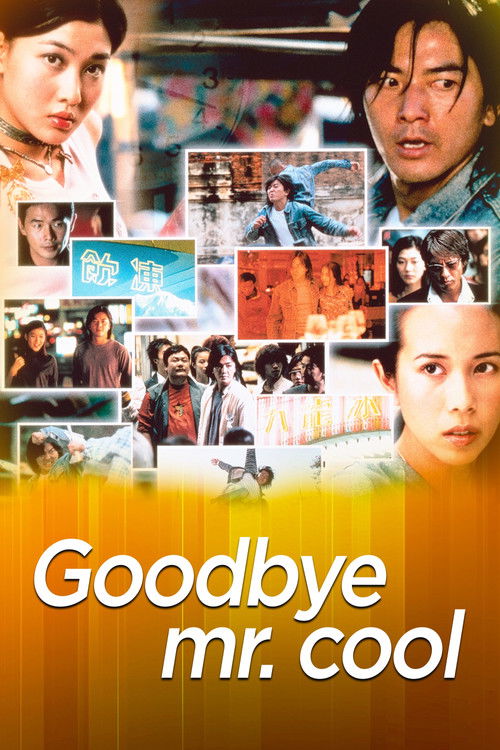
2001
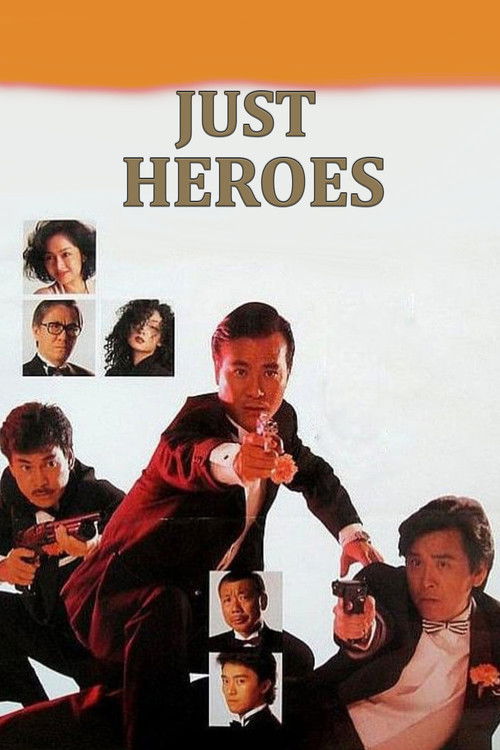
1989
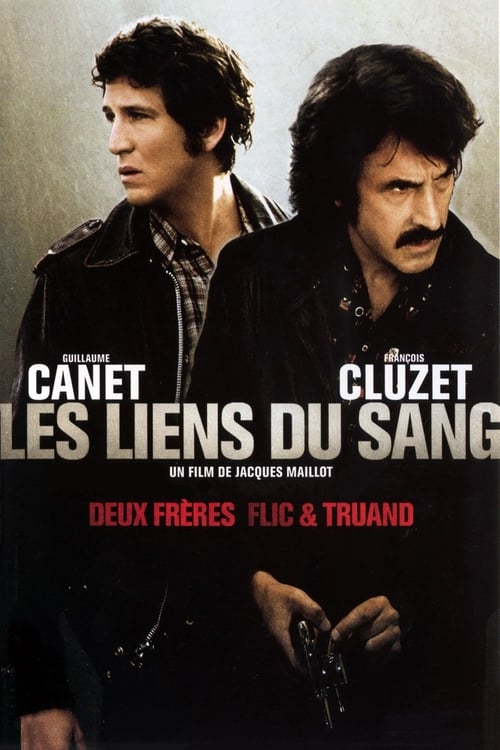
2008
No reviews yet. Be the first to share your thoughts on this movie!
Use the rating form above to leave a star rating and optional review.