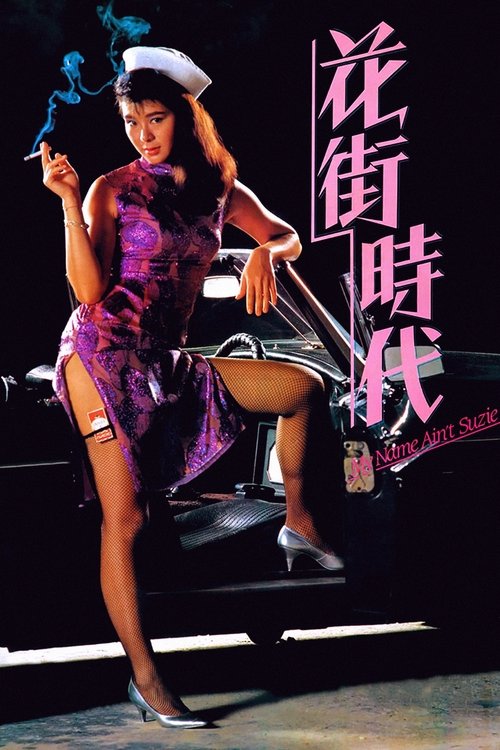
My Name Ain't Suzie
1985
No user ratings available yet
Representation score: 5.9 out of 10

Representation Score
Good
1989
Director
Yōichi Sai
Runtime
111 minutes
Average Rating
No ratings yetNew Showbiz Analysis
Via Okinawa is a sophisticated post-colonial study that succeeds by disrupting monolithic national narratives. It centers the Okinawan experience as distinct from both Imperial Japan and the United States, providing a nuanced look at ethnic identity and the friction caused by foreign military presence. However, the film remains limited by its narrow social focus. The narrative architecture prioritizes masculine bonds and traditional gender roles, offering little room for diverse gender expressions or LGBTQ+ representation. The exploration of disability is also tied strictly to wartime trauma rather than individual experiences. Ultimately, the film is a powerful critique of colonial power dynamics. While it lacks breadth in gender and sexual diversity, its commitment to portraying underrepresented ethnic perspectives makes it a significant work of cultural importance.
Category Breakdown
The film focuses on the survival and coming-of-age of Okinawan youth. There are no documented LGBTQ+ characters or non-straight relationship arcs present.
The narrative centers on the male experience and the camaraderie of young boys. It emphasizes traditional masculine bonds and minimally challenges gender hierarchies.
The film excels by centering Okinawan identity through a post-colonial lens. It uses mixed-heritage characters to explore identity within a colonized space.
The story portrays the U.S. military presence as a source of cultural displacement. It illustrates how locals are caught between competing global powers.
War-related physical and psychological scars are depicted as reflections of systemic devastation. There is little focus on individualized neurodivergence or chronic illness.
Present on Screen
Limited or Absent
Official Synopsis
During the Vietnam War era, the influx of American soldiers to Okinawa boosted the local economy and introduced many bars and nightclubs. With exhausting displays of energy, Sai presents a whirlwind romance between a local rocker and the daughter of a mixed American-Okinawan marriage.
1985

1993
1987

1955
1985

1991
1973

1989
No reviews yet. Be the first to share your thoughts on this movie!
Use the rating form above to leave a star rating and optional review.