Chanthaly
2013
No user ratings available yet
Representation score: 6.6 out of 10
Representation Score
Excellent
2011
Not RatedDirector
Shinya Tsukamoto
Runtime
91 minutes
Average Rating
No ratings yetNew Showbiz Analysis
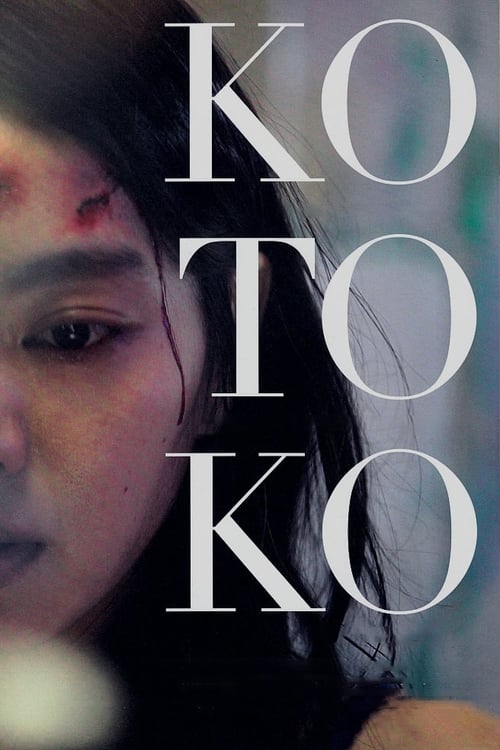
Shinya Tsukamoto’s Kotoko is a visceral character study that prioritizes psychological interiority over traditional narrative stability. By focusing on a woman's sensory impairment and mental health crisis, the film avoids the clichés of idealized motherhood and domestic perfection. The work excels in its nuanced depiction of disability and its critique of institutional authority. It portrays the state's intervention in the family unit as a disruptive, oppressive force, emphasizing subjective truth over social order. While the film provides a strong non-Western perspective, it lacks explicit LGBTQ+ representation and does not actively pursue multi-ethnic casting. It remains a deeply focused, culturally specific exploration of fragmented identity.
Category Breakdown
The film does not include any explicit LGBTQ+ identities or non-straight relationships.
The movie centers on a woman's psychological struggle and descent into a nervous breakdown. It challenges the typical portrayal of the nurturing mother by showing a complex, suffering protagonist.
As a Japanese production, the film offers a non-Western perspective. However, it does not use diverse casting to challenge racial hierarchies within its specific setting.
The story criticizes institutional power by depicting the state as an oppressive force. It prioritizes the individual's subjective experience over social conformity and stability.
The film highlights sensory disabilities such as double vision and psychological dissociation. It centers the protagonist's actions around these neurodivergent experiences and mental health crises.
Present on Screen
Limited or Absent
Official Synopsis
When a single mother suffers a nervous breakdown, she is suspected of child abuse and her child is taken away. Her mental suffering escalates as she succumbs to her darkest fantasies.
2013
2001
2019
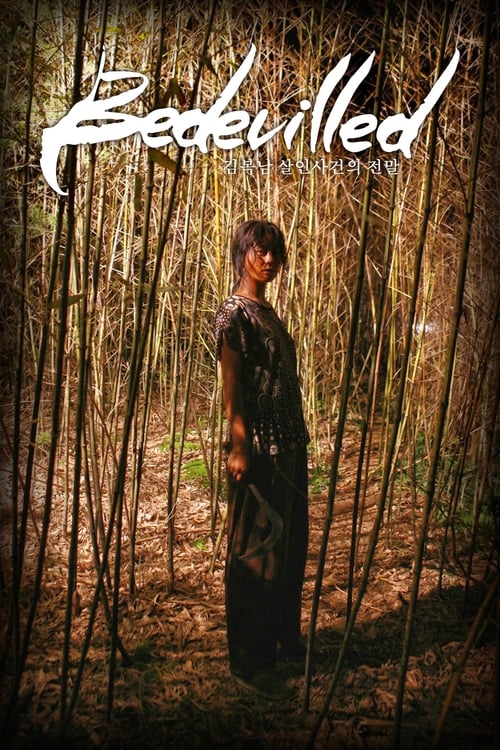
2010
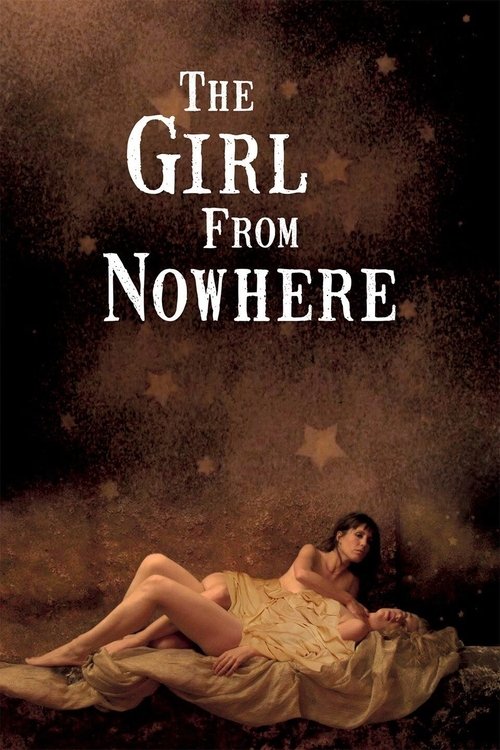
2013
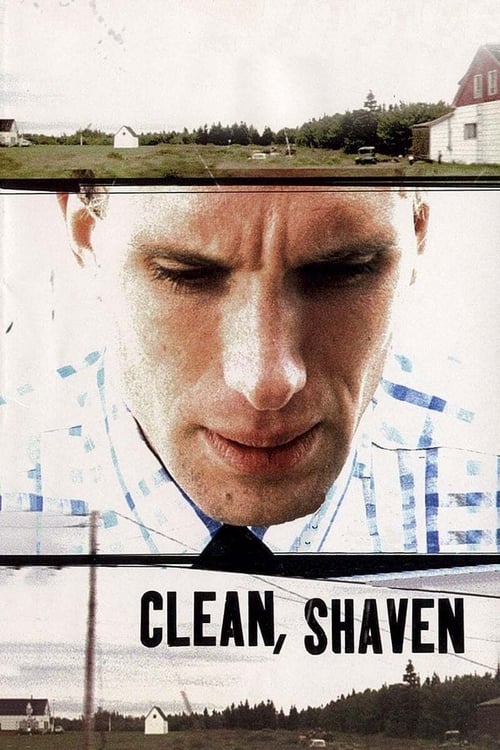
1995
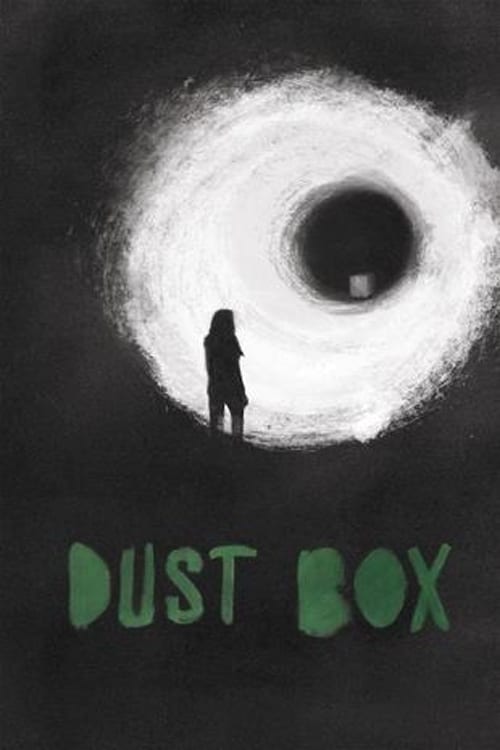
2012
2007
No reviews yet. Be the first to share your thoughts on this movie!
Use the rating form above to leave a star rating and optional review.