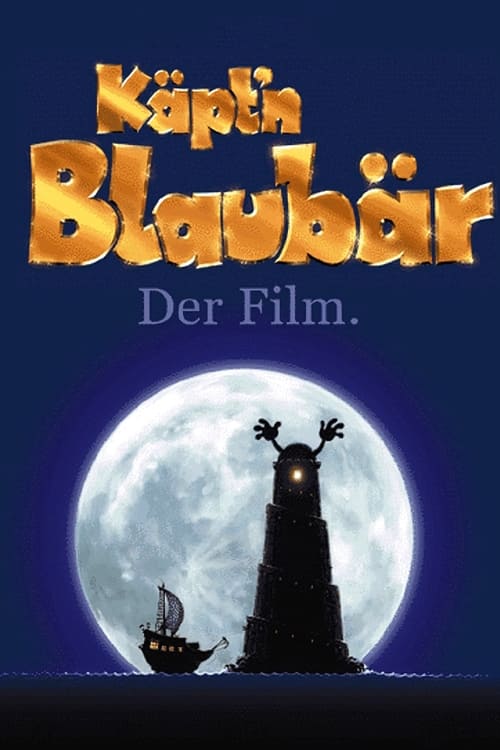
Käpt’n Blaubär – Der Film
1999
No user ratings available yet
Representation score: 3.4 out of 10
Representation Score
Good
2013
Director
Til Schweiger, Maya Gräfin Rothkirch
Runtime
72 minutes
Average Rating
No ratings yetNew Showbiz Analysis
The film uses animal allegory to explore the mechanics of exclusion and social inclusion. By focusing on a protagonist with a physical difference, it offers a meaningful look at how 'othered' individuals navigate social landscapes. While the film lacks explicit multi-layered complexity or specific human identity markers, its narrative structure effectively addresses themes of empathy and the disruption of social norms. The use of non-human species serves as a symbolic proxy for diverse social experiences. Ultimately, the work functions as a fable that prioritizes universal themes of companionship and personal empowerment over overt social commentary or specific identity narratives.
Category Breakdown
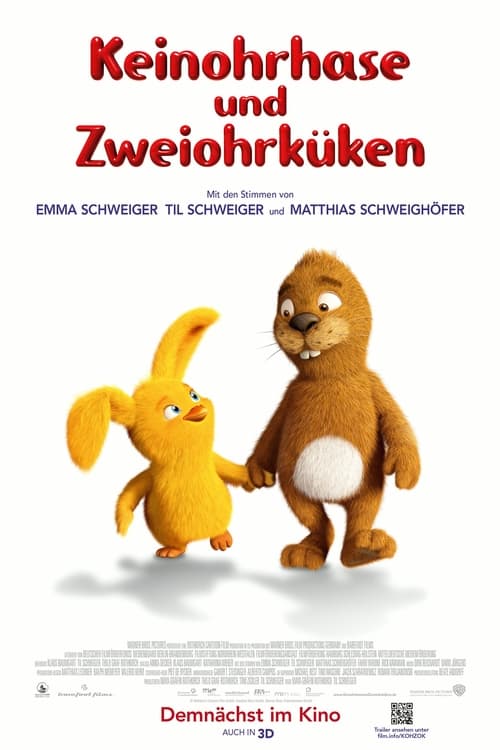
The story centers on a platonic friendship between a rabbit and a chick, without any direct mention of LGBTQ+ identities or romantic subtext.
Following typical animated fable structures, the film focuses on the bond between two protagonists without delving into gendered dynamics or challenging traditional hierarchies.
By using anthropomorphic animals, the film employs physical differences as a metaphor for underrepresented groups, transcending traditional human racial categories.
The story highlights social exclusion and the significance of unconventional bonds, critiquing social conformity by focusing on a character rejected by the normative group.
The protagonist serves as an allegory for physical disability or neurodivergence, granting him a significant role in driving the story and framing his difference as a catalyst for growth.
Present on Screen
Limited or Absent
Official Synopsis
The no-ear bunny can do everything just as well as the other bunnies. But because he has no ears, nobody wants to play with him. When one day an egg is left on his doorstep, he has no idea that this is the start of a wonderful friendship. He experiences many exciting adventures with the two-eared bunny, right up to the fulfillment of their greatest wishes. Because if you have a real friend, you can do anything. And have a lot of fun doing it.
1999
2011
2011

2017
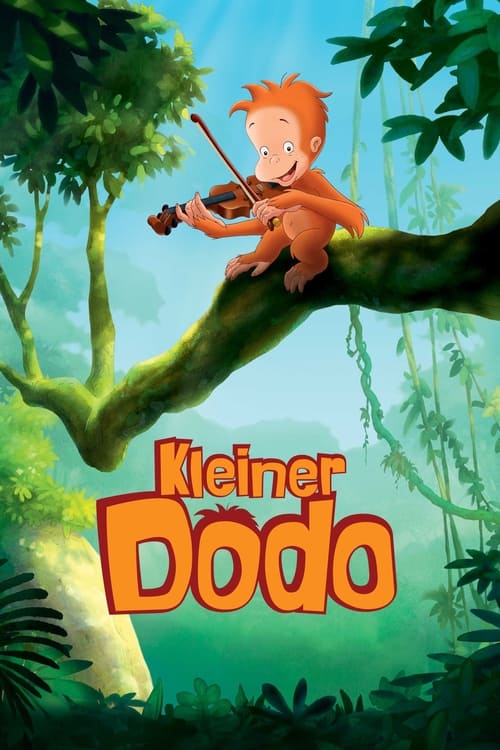
2007
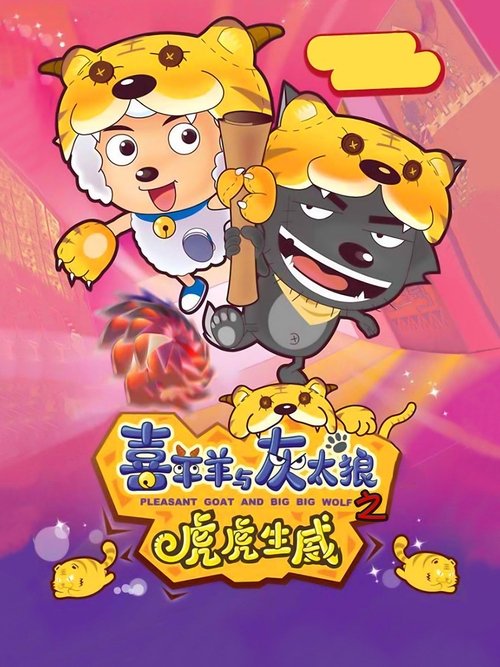
2010
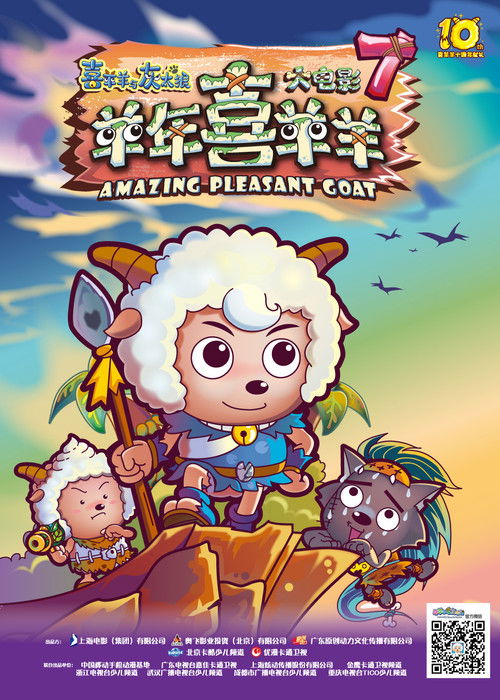
2015
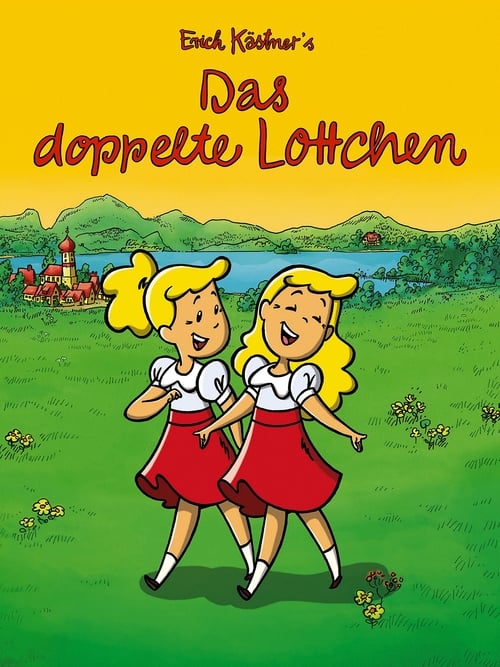
2007
No reviews yet. Be the first to share your thoughts on this movie!
Use the rating form above to leave a star rating and optional review.