
La Taranta
1962
No user ratings available yet
Representation score: 6.2 out of 10
No Poster Available
Representation Score
Limited
1903
Director
Peter Elfelt
Runtime
2 minutes
Average Rating
No ratings yetNew Showbiz Analysis
This 1903 documentary by Peter Elfelt primarily serves as a historical and ethnographic record. It captures a specific cultural moment through the lens of a traditional Neapolitan dance, emphasizing preservation over social commentary. The film's diversity is limited by its era and format. While it highlights a female performer and Mediterranean culture, it lacks the intentional depth and character development seen in modern progressive films. Overall, the film is a neutral historical document. It does not address systemic critiques, complex identities, or social issues of its time, making it a window into the past rather than a tool for social exploration.
Category Breakdown
The film does not include any LGBTQ+ characters or non-cisgender identities. It focuses solely on a traditional dance.
A young woman is the main subject of the film. Her visibility is highlighted, but it's unclear if she has significant control over her story.
The film showcases a Mediterranean folk tradition linked to Naples. However, it lacks a diverse cast and complex narratives reflecting multiple identities.
The film presents a neutral observation of a regional tradition. It does not engage with modern social critiques or ideological complexities.
There is no depiction of physical or neurodivergent disabilities. The term 'spider-bite delirium' is used as a folkloric description, not a meaningful representation.
Present on Screen
Limited or Absent
Official Synopsis
This Danish film shows us a young woman doing a dance, which translates to tarantula. According to the brief bio over at the Europa Film Treasures site, this dance was "influenced" by the delirium caused by the bite of a tarantula.
1962
2011
1897
1900
1905
1897
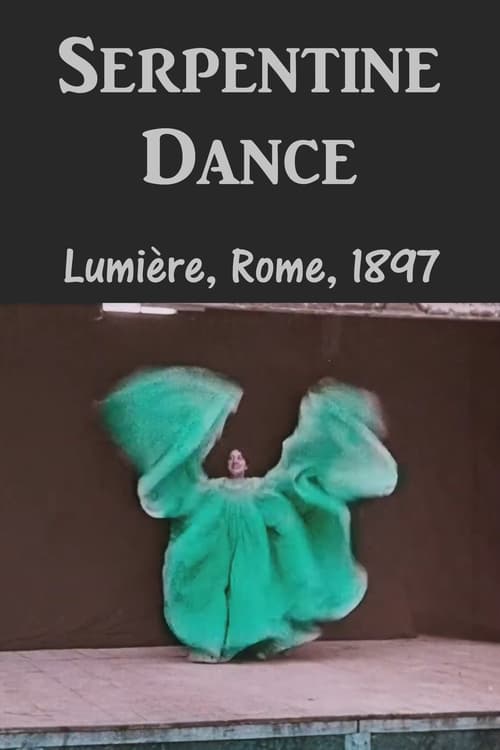
1897
1897
No reviews yet. Be the first to share your thoughts on this movie!
Use the rating form above to leave a star rating and optional review.