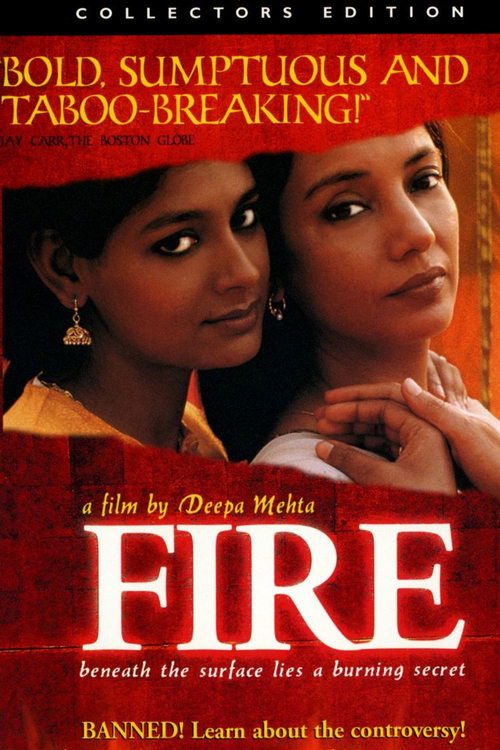
Fire
1997
No user ratings available yet
Representation score: 7.1 out of 10

Representation Score
Good
2004
Director
Ligy J. Pullappally
Runtime
107 minutes
Average Rating
No ratings yetNew Showbiz Analysis
The Journey delves into the conflict between personal identity and communal traditions. By focusing on a queer protagonist in a traditional Indian village, the film goes beyond including someone from a minority group without giving them real depth to explore how societal pressures influence personal desires. The narrative effectively uses arranged marriage as a backdrop for the protagonist's internal struggles, creating a compelling tension between personal truth and social norms. While the film offers a non-Western perspective, its primary focus is on the psychological and emotional journey of its main characters.
Category Breakdown
The film focuses on a protagonist navigating lesbian desires in a rigid social environment. It explores the internal conflicts of non-straight identity rather than just including LGBTQ characters peripherally.
The story emphasizes female perspectives, challenging traditional gender roles. The protagonist fights against arranged marriages, highlighting the tension between personal freedom and patriarchal expectations.
Set in an Indian village, the film offers a non-Western viewpoint. Although the cast is ethnically uniform, it still provides a localized contrast to Western storytelling conventions.
The narrative critiques traditional social structures by presenting arranged marriages as restrictive. It highlights the clash between individual autonomy and established communal norms.
There is no indication of physical or neurodivergent disabilities being portrayed in this film.
Present on Screen
Limited or Absent
Official Synopsis
Kiran is mortified by her growing lesbian desire for the effervescent Delilah in an idyllic Indian village where arranged marriage is the only acceptable form of coupling.
1997

2018
2010
2009
2014

2004

2023

2005
No reviews yet. Be the first to share your thoughts on this movie!
Use the rating form above to leave a star rating and optional review.