
My Fake Fiance
2012
No user ratings available yet
Representation score: 2.5 out of 10
Representation Score
Limited
2013
Not RatedDirector
John Burgess
Runtime
100 minutes
Average Rating
No ratings yetNew Showbiz Analysis
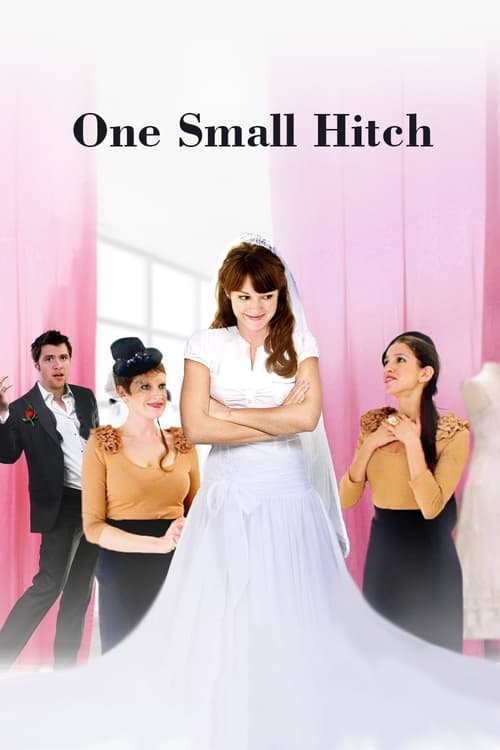
One Small Hitch is a conventional romantic comedy that adheres strictly to established social and narrative norms. It follows a predictable trajectory, using the 'fake engagement' cliché to drive emotional conflict between two childhood friends. The film lacks intentionality regarding identity-based storytelling. Instead of disrupting traditional hierarchies, it leans into the stability of heterosexual arcs and traditional family structures to create its stakes. Ultimately, the movie functions as a standard genre piece that prioritizes emotional sentimentality over progressive representation or systemic subversion.
Category Breakdown
The story revolves around a heterosexual romance between a man and a woman. There are no visible LGBTQ+ identities or critiques of traditional dating norms.
Molly plays a key role in driving the plot, but the film relies on the 'fake relationship' cliché. This reinforces standard romantic expectations rather than challenging gender hierarchies.
The narrative focuses on a specific family unit without showing a diverse cast. It seems to follow traditional, homogeneous casting patterns common in mid-budget romantic comedies.
The plot emphasizes Western social institutions and the importance of the nuclear family. It reinforces traditional familial duties and respect for elder authority through the wedding milestone.
A terminal illness is used as a catalyst for emotional stakes. The film focuses on the family's response to the illness rather than the lived experience of disability.
Present on Screen
Limited or Absent
Official Synopsis
On a flight home to Chicago for a family wedding, childhood friends Josh and Molly innocently agree to fake a wedding engagement to make Josh's dying father happy. Things quickly get out of hand with their two boisterous families, and a series of events causes them to pretend to be a couple and start planning a phony wedding. When the playacting begins to foster real feelings, the two must make some serious decisions: Split up and return to their lives in LA, or make a life as a couple back in Chicago?
2012

2017
2020

2012
2016
2013

2021
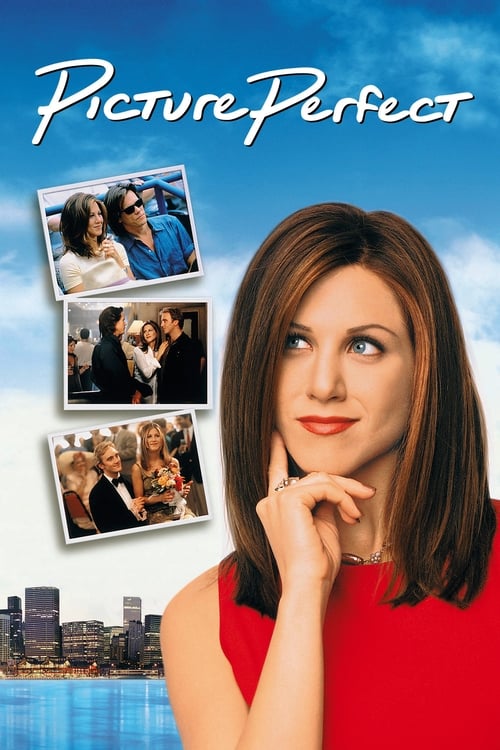
1997
No reviews yet. Be the first to share your thoughts on this movie!
Use the rating form above to leave a star rating and optional review.