We
2003
No user ratings available yet
Representation score: 4.8 out of 10
Representation Score
Excellent
2019
Director
Simona Kostova
Runtime
115 minutes
Average Rating
No ratings yetNew Showbiz Analysis
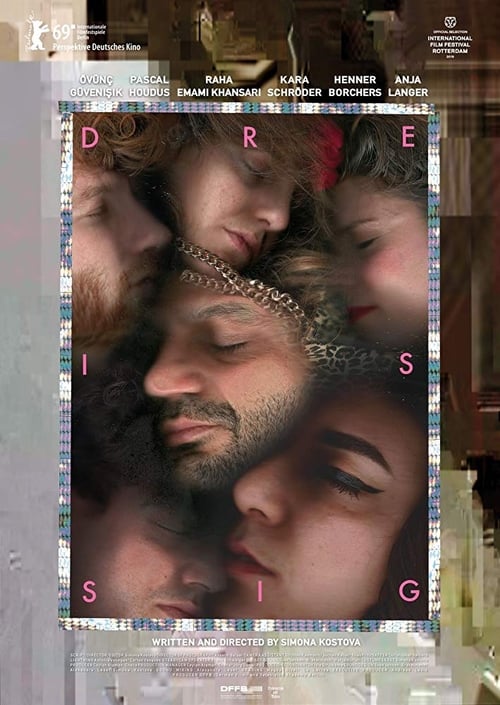
Thirty presents a sophisticated look at contemporary urban identity in Berlin. Its strength lies in its refusal to follow monolithic storytelling, instead offering a nuanced portrayal of a community in transition. The film excels at reflecting the multicultural reality of modern European cities through its integrated cast. By centering diverse perspectives and deconstructing traditional social hierarchies, it captures the psychological textures of modern life. However, the narrative lacks explicit representation of physical or neurodivergent disabilities. While it explores emotional malaise and psychological struggles, these elements do not serve as a primary focus for disability representation.
Category Breakdown
The film examines modern relationships through fluid connections and changing boundaries. It moves away from strict, traditional structures by focusing on individual emotional landscapes.
Women play significant roles in driving the story, with characters like Kara navigating urban challenges with substantial autonomy. The narrative avoids traditional male-dominated hierarchies, presenting a collective struggle with existential questions.
Set in multicultural Neukölln, the film includes a diverse cast featuring characters like Övünç and Raha. This integration reflects the modern European urban experience without 'othering' the characters.
The story adopts a secular, postmodern perspective, prioritizing personal needs over religious or patriotic frameworks. It critiques capitalist stability by framing traditional milestones as sources of anxiety.
There is no explicit depiction of characters with visible physical or neurodivergent disabilities. While the film touches on mental health through themes of malaise, disability is not a primary focus.
Present on Screen
Limited or Absent
Official Synopsis
Twenty-four hours with a group of friends on a Friday in October in Berlin’s district of Neukölln. Övünç is suffering from writer’s block, Pascal and Raha split up recently and are trying to stay friends. Kara constantly sublets her flat to keep herself moving. Henner spends the day in a bar and meets a girl by the name of Anja. That evening they celebrate Övünç’s birthday and drift together through the city’s nightlife. The film depicts six young people in their struggle with the daily grind of life in Berlin and the reality of turning thirty.
2003
2007
2013
2016
2018

2016
2010
2020
No reviews yet. Be the first to share your thoughts on this movie!
Use the rating form above to leave a star rating and optional review.