
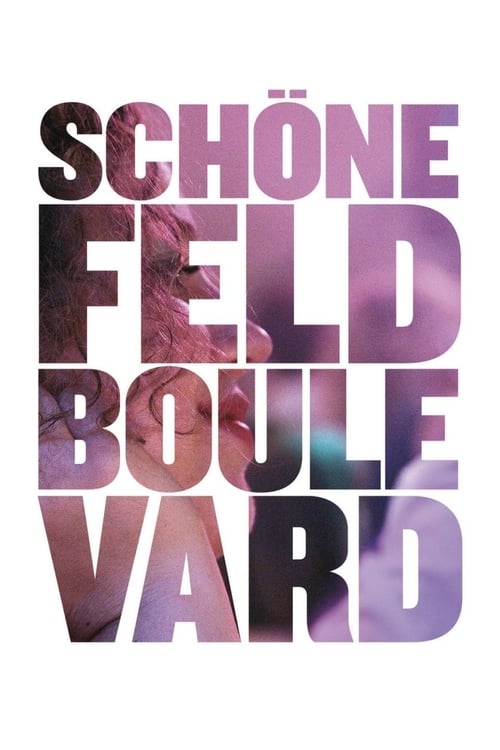
Summer in Berlin
2005
No user ratings available yet
Representation score: 8.0 out of 10

Representation Score
Fair
2003
Director
Martin Gypkens
Runtime
100 minutes
Average Rating
No ratings yetNew Showbiz Analysis
Martin Gypkens delivers a character-driven slice-of-life drama that captures the transient nature of youth in Berlin. By utilizing an ensemble cast, the film avoids a singular protagonist, creating a microcosmic view of intersecting lives. The film succeeds in mirroring the complexity of urban social webs. It leans into observational realism rather than heavy-handed ideological messaging, making it a nuanced portrait of a specific time and place. However, the representation remains middle-of-the-road. While the setting implies diversity, the lack of documented specific identities or disability-focused narratives prevents a higher score.
Category Breakdown
The film explores Berlin youth culture through social gatherings and parties. These settings often host non-straight relationships, but there is no explicit evidence of specific LGBTQ+ identities or romantic storylines.
An ensemble structure allows for distributed influence among various characters. This approach moves away from a single dominant protagonist, though it remains unclear if the film actively challenges traditional gender roles.
The Berlin setting provides a backdrop for a multifaceted metropolitan population. The narrative's focus on an intricate social web suggests an attempt to capture a representative urban portrait.
The storytelling follows a secular, observational mode. It prioritizes subjective, transient experiences of youth over traditional moralizing or institutional religious structures.
There is no mention of characters navigating physical or neurodivergent disabilities within the narrative.
Present on Screen
Limited or Absent
Official Synopsis
A summer trip to Berlin offers a fleeting glimpse into the lives of the country's youth in this vibrant, character-driven drama from director Martin Gypkens. When twentysomething Florian arrives in town to pay a visit to long-lost pal Pit, the duo quickly reminisce before heading out to a party. Soon meeting up with many of Pit's acquaintances, the film follows various intersecting lives as they are woven to create an intricate, microcosmic look at life's ups and downs as seen through the eyes of Germany's youth.
2005
2006
2014

2010

2021
1996
2002
2014
No reviews yet. Be the first to share your thoughts on this movie!
Use the rating form above to leave a star rating and optional review.