
Max
2013
No user ratings available yet
Representation score: 1.6 out of 10
Representation Score
Good
2015
Director
Jean-Pierre Améris
Runtime
97 minutes
Average Rating
No ratings yetNew Showbiz Analysis
Family for Rent is a nuanced character study that questions the sanctity of domestic life. It succeeds by intellectually deconstructing the nuclear family, presenting it as a fluid and often economically coerced construct rather than an inherent good. However, the film lacks significant representation of diverse racial, ethnic, or LGBTQ+ perspectives, which could have added complexity to its themes of social structure. Ultimately, the film’s strength lies in its subtle critique of how capitalism commodifies human connections, even if it remains limited in its breadth of representation.
Category Breakdown
The film does not intentionally disrupt the assumption that everyone is straight or cisgender. It focuses on a traditional family unit, without giving much depth to LGBTQ+ identities or non-traditional gender expressions.
The story challenges the typical strong male protagonist by showing a timid, introverted male lead. Violette is the main force behind the economic and logistical aspects, undermining traditional masculine authority.
The film focuses on a localized, homogeneous French community without integrating diverse ethnic perspectives. There is no indication of casting actors from different backgrounds to play characters traditionally associated with specific ethnicities.
The movie critiques Western capitalism by portraying the family as a rentable commodity. It suggests that traditional social bonds are often performative or economically motivated.
There are no characters with visible or invisible disabilities that significantly impact the story. The protagonist’s introversion is central to his character development but is not portrayed as neurodivergence.
Present on Screen
Limited or Absent
Official Synopsis
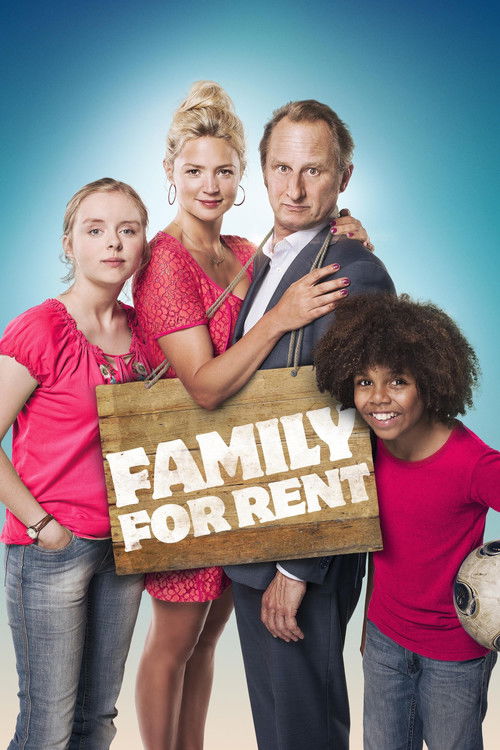
Forty-year-old Paul-André is a timid, rather introverted man. Rich but alone, he is deeply bored and ends up concluding that what he needs is a family. Violette, a forty-year-old full of energy, is threatened with eviction and is afraid she'll lose custody of her two children. Paul-André then proposes a totally above the board contract to rent the family in exchange for him paying off Violette's debts. For better and for worse..
2013

2006

2022

2012

2013

2014

2012

2013
No reviews yet. Be the first to share your thoughts on this movie!
Use the rating form above to leave a star rating and optional review.