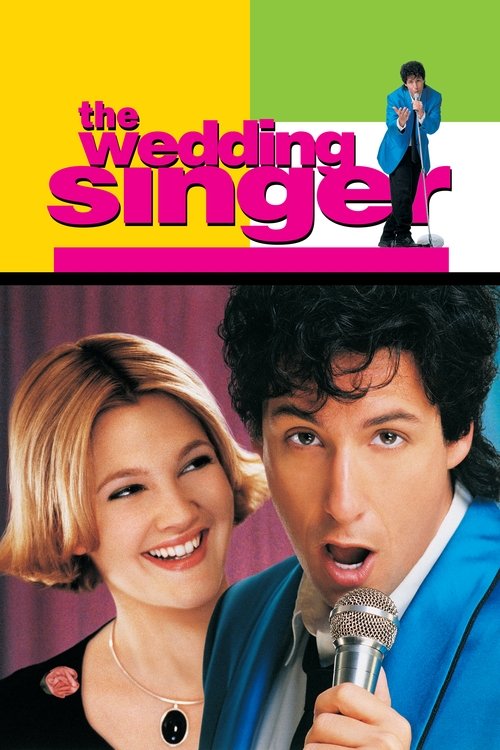
The Wedding Singer
1998
No user ratings available yet
Representation score: 1.1 out of 10

Representation Score
Fair
2000
PG-13Director
Edward Norton
Runtime
127 minutes
Average Rating
No ratings yetNew Showbiz Analysis
Keeping the Faith is a character-driven comedy that explores the tension between personal conscience and institutional certainty. It humanizes religious figures by portraying them with doubt and spiritual uncertainty. However, the film's social scope is limited, relying on a traditional romantic structure and a predominantly white cast, which restricts its multi-layered impact. While it delves into complex internal psychological conflicts, it remains tied to conventional social and romantic dynamics.
Category Breakdown
The film follows a strictly straight-centered approach, with no representation of non-cisgender identities. The central plot revolves around a conventional love triangle.
The narrative challenges traditional masculine stereotypes by highlighting the emotional vulnerability of its male characters. Anna Reilly stands out as a powerful, independent corporate executive.
Despite a diverse urban setting, the main storyline focuses on a predominantly white cast. Non-Anglo-Saxon perspectives are largely absent.
The film effectively questions religious authority and moral absolutes, emphasizing personal conscience and empathy over strict adherence to doctrine.
There is no significant presence of characters with visible or invisible disabilities that play central roles in the narrative.
Present on Screen
Limited or Absent
Official Synopsis
Best friends since they were kids, Rabbi Jacob Schram and Father Brian Finn are dynamic and popular young men living and working on New York's Upper West Side. When Anna Reilly, once their childhood friend and now grown into a beautiful corporate executive, suddenly returns to the city, she reenters Jake and Brian's lives and hearts with a vengeance. Sparks fly and an unusual and complicated love triangle ensues.
1998
2002

2004
1994
2009

1998
2004
1999
No reviews yet. Be the first to share your thoughts on this movie!
Use the rating form above to leave a star rating and optional review.