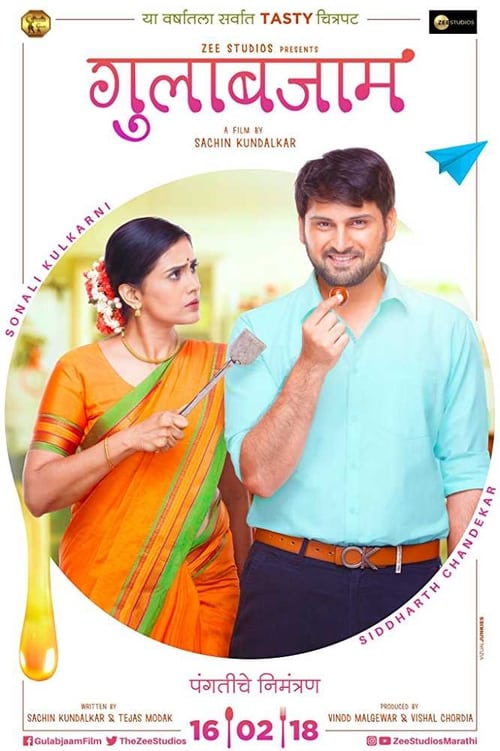
Gulabjaam
2018
No user ratings available yet
Representation score: 7.3 out of 10
Representation Score
Fair
2011
Director
Namewee
Runtime
90 minutes
Average Rating
No ratings yetNew Showbiz Analysis
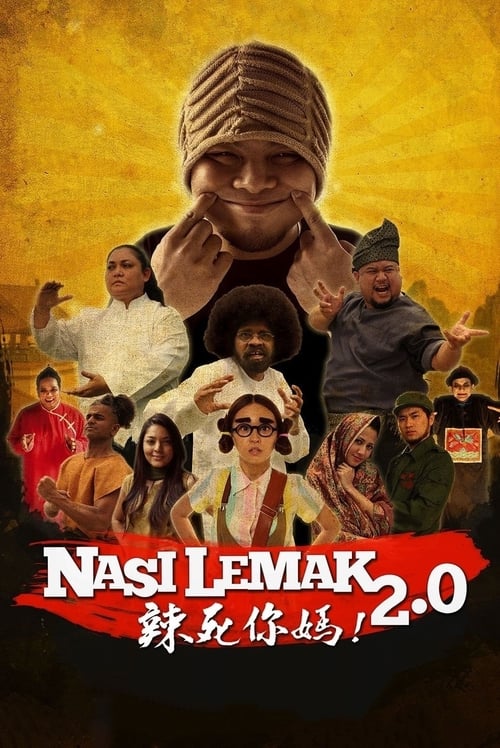
Nasi Lemak 2.0 is a satirical comedy that challenges established social and cultural hierarchies. Its strength lies in depicting a multi-ethnic landscape, where racial the way different parts of someone's identity overlap drives the plot. The film's postmodern approach to Malaysian identity uses the titular dish as a metaphor for social harmony. It disrupts homogeneous depictions of society by embracing the friction between different ethnic groups. However, the film's impact is uneven. While it excels in racial and cultural commentary, it lacks representation for LGBTQ+ identities and does not address disability, relying instead on traditional comedic clichés for gendered characterizations.
Category Breakdown
The film does not feature prominent LGBTQ+ characters or explore non-assuming gender matches what was assigned at birth identities extensively. The story focuses more on ethnic and cultural diversity.
Female characters play crucial roles in advancing the plot, but the comedy often relies on traditional gender stereotypes and slapstick humor.
The story excels by highlighting the coexistence and tension between Malay, Chinese, and Indian communities. It uses Nasi Lemak as a symbol for racial integration and social harmony.
Satire is used to challenge traditional religious and social norms. The film presents a fragmented view of identity that critiques established social hierarchies and customs.
There is no significant portrayal of visible or invisible disabilities within the narrative.
Present on Screen
Limited or Absent
Official Synopsis
Young Chef Huang (Namewee) struggles to get his restaurant business going because he cannot adapt to the “localised’ cooking his patrons are looking for. However, despite his unpopular cuisine, he is well-known as Hero Huang in the local neighbourhood where he carries out good deeds by helping the community – that is, until he met Xiao K (Karen Kong) who gets him in deep trouble. So as to get his life and the restaurant business back on track, Chef Huang must now seek help from a mysterious hawker stall lady (Adibah Noor), who summons him to embark on the extraordinary journey. He is to meet many ‘local heroes’ who will help him rediscover his roots and the hidden message of ‘Nasi Lemak’.
2018
2009

2012

1996
2014

2018

2012

2010
No reviews yet. Be the first to share your thoughts on this movie!
Use the rating form above to leave a star rating and optional review.