
All That Matters Is Past
2012
No user ratings available yet
Representation score: 4.3 out of 10
Representation Score
Fair
1976
Director
Sergio Véjar
Runtime
95 minutes
Average Rating
No ratings yetNew Showbiz Analysis
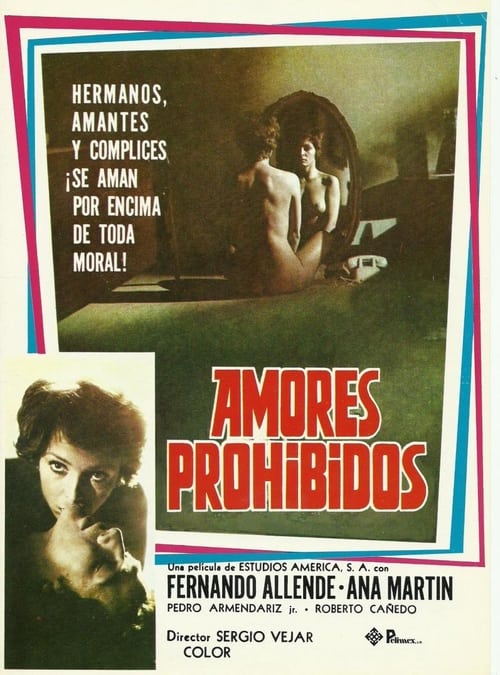
The Pact functions as a psychological thriller that deconstructs the idealized family structure. By focusing on the unhealthy co-dependence between Sergio and Teresa, the film moves away from mid-century cinematic clichés of domestic stability. However, the film lacks overt markers of contemporary identity-driven narratives, such as explicit LGBTQ+ representation or specific portrayals of disability. Ultimately, the work offers a subtle critique of social stability through its focus on psychological dysfunction, even if it does not engage with modern identity-focused storytelling.
Category Breakdown
The film does not include any explicit representation of LGBTQ+ identities or characters who identify outside of traditional gender norms. The intense emotional bond between siblings is a central theme, but there is no visible LGBTQ+ presence.
Teresa plays a central role in a narrative that emphasizes psychological complexity over traditional patriarchal hierarchies. The film focuses on emotional volatility rather than stable gender roles.
As a Mexican production, the film centers a non-Anglo-Saxon perspective. It shifts the cinematic gaze away from Hollywood-centric norms by offering a localized cultural presence.
The story deconstructs the traditional family unit by focusing on a dysfunctional, co-dependent relationship. It challenges idealized domestic pillars through its exploration of subjective morality.
The narrative touches on psychological themes of co-dependence, which may intersect with mental health issues. However, there is no specific portrayal of characters with visible or invisible disabilities.
Present on Screen
Limited or Absent
Official Synopsis
When they were children, siblings Sergio and Teresa made a promise to never leave each other. An unhealthy co-dependence developes into adulthood.
2012
1986

1987

1950

2017
1984
2013

1993
No reviews yet. Be the first to share your thoughts on this movie!
Use the rating form above to leave a star rating and optional review.