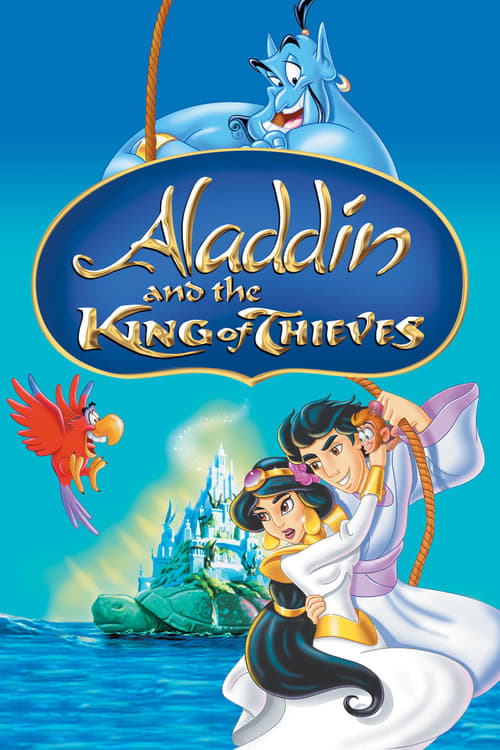
Aladdin and the King of Thieves
1996
No user ratings available yet
Representation score: 2.7 out of 10
Representation Score
Limited
1994
GDirector
Tad Stones, Toby Shelton, Alan Zaslove
Runtime
69 minutes
Average Rating
No ratings yetNew Showbiz Analysis
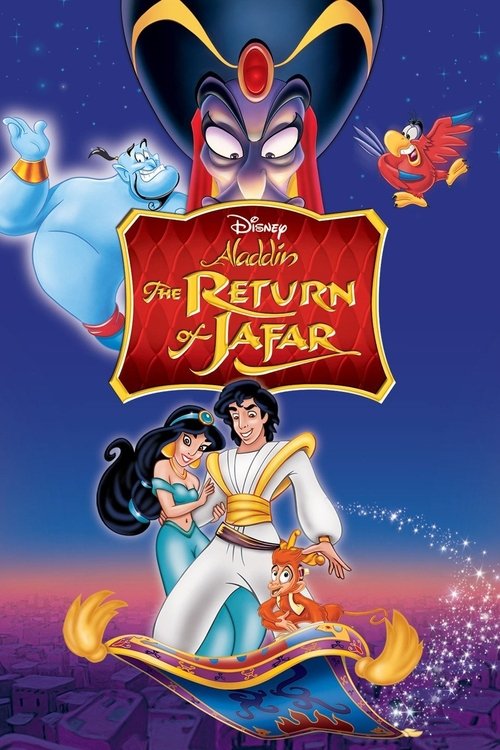
The Return of Jafar is a traditional animated sequel that emphasizes established character dynamics over progressive narrative experimentation. It functions as a standard morality play, focusing on the battle between heroism and villainy within a mythic framework. While Princess Jasmine plays a significant role in driving the story, the narrative remains tied to conventional social hierarchies. The culturally diverse setting provides a sense of variety but fails to delve into complex identity issues or post-colonial themes. Ultimately, the film adheres to mid-90s Disney archetypes, offering a safe, commercially viable experience that avoids challenging or storytelling that reflects multiple aspects of identity.
Category Breakdown
The film does not include any LGBTQ+ characters or explore non-straight relationships. The romance focuses solely on the heterosexual relationship between Aladdin and Jasmine.
Princess Jasmine plays a significant role in driving the story forward. However, the narrative often centers physical actions around the male characters.
The film's setting draws inspiration from South Asia and the Middle East, providing an ethnically diverse cast. However, these elements serve as a stylized backdrop without delving into the complexities of intersecting identities.
The story follows a traditional morality play structure emphasizing good versus evil. It reinforces Western storytelling conventions and maintains standard notions of heroism and justice.
No visible or invisible disabilities are portrayed among the main characters. The narrative does not address neurodivergence or physical impairments.
Present on Screen
Limited or Absent
Official Synopsis
The evil Jafar escapes from the magic lamp as an all-powerful genie, ready to plot his revenge against Aladdin. From battling elusive villains atop winged horses, to dodging flames inside an exploding lava pit, it's up to Aladdin - with Princess Jasmine and the outrageously funny Genie by his side - to save the kingdom once and for all.
1996
2005
1998

1997
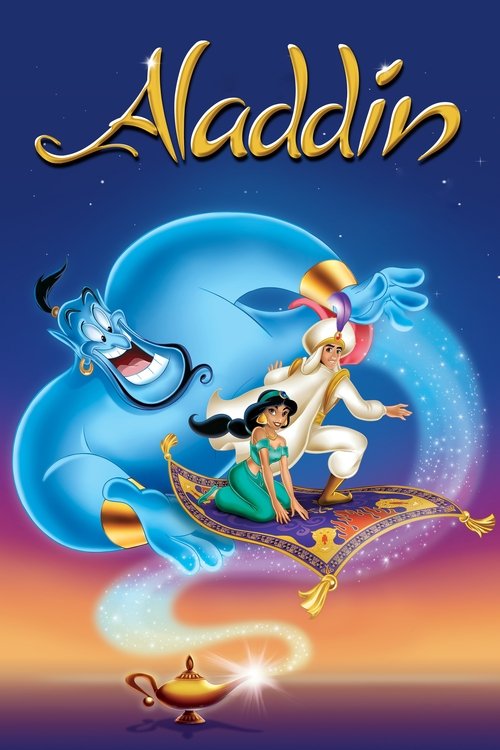
1992
2007
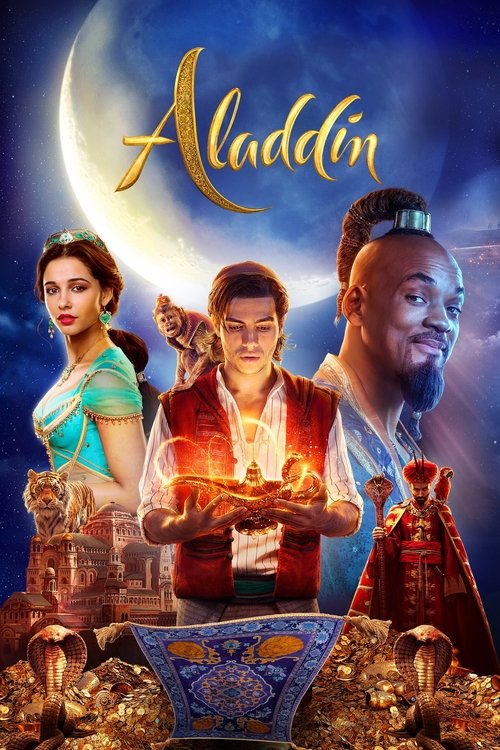
2019
2006
No reviews yet. Be the first to share your thoughts on this movie!
Use the rating form above to leave a star rating and optional review.