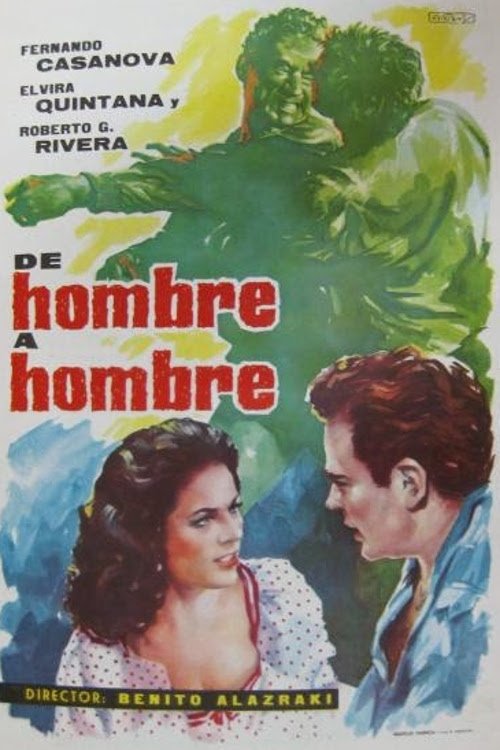
De hombre a hombre
1961
No user ratings available yet
Diversity score: 3.1 out of 10

1969
Director
Ozualdo Ribeiro Candeias
Runtime
90 minutes
Average Rating
No ratings yetSynopsis
As a child he was kidnapped by gypsies that raised him, without he ever knowing his parents. As a young man Tonho leaves the gypsies and go live by himself, meeting in his way a beautiful woman, who lost her brother, and a dangerous gang of violent criminals.
Overall Score
Fair
Category Breakdown
LGBTQ+ Representation
The film follows a heteronormative romantic arc between Tonho and a female character. There is no evidence of non-cisnormative identities or same-sex intimacy within the narrative.
Gender Representation
A beautiful woman serves as a central figure, though her role is defined by her loss and her meeting with the protagonist. The dynamic leans toward traditional gender roles.
Racial & Ethnic Diversity
The depiction of a Romani community offers a framework for exploring identity outside the nuclear family. It remains unclear if these characters possess high agency or serve as plot devices.
Religious & Cultural Diversity
Themes of displacement and found family disrupt traditional Western emphasis on biological lineage. However, the plot appears to rely on standard frontier justice and individualistic heroism tropes.
Disability Representation
The narrative contains no mention of characters navigating physical, sensory, or neurodivergent disabilities.
Strengths
Areas for Improvement
AI Analysis
My Name is Tonho operates within the traditional genre constraints of 1960s regional cinema. It utilizes a standard Western/Drama framework that prioritizes individualistic heroism and conventional romantic tropes over systemic social critique. The film's strength lies in its potential for ethnic exploration through the Romani community and the concept of found family. This provides a departure from the typical Anglo-centric family models found in the genre. However, the narrative lacks depth in gender and LGBTQ+ representation, adhering to mid-century norms. The female characters appear primarily as emotional drivers for the male protagonist rather than independent agents.
No reviews yet. Be the first to share your thoughts on this movie!
Use the rating form above to leave a star rating and optional review.