
BlackFox
2019
No user ratings available yet
Representation score: 5.5 out of 10
Representation Score
Fair
2012
Director
Shinpei Ezaki
Runtime
14 minutes
Average Rating
No ratings yetNew Showbiz Analysis
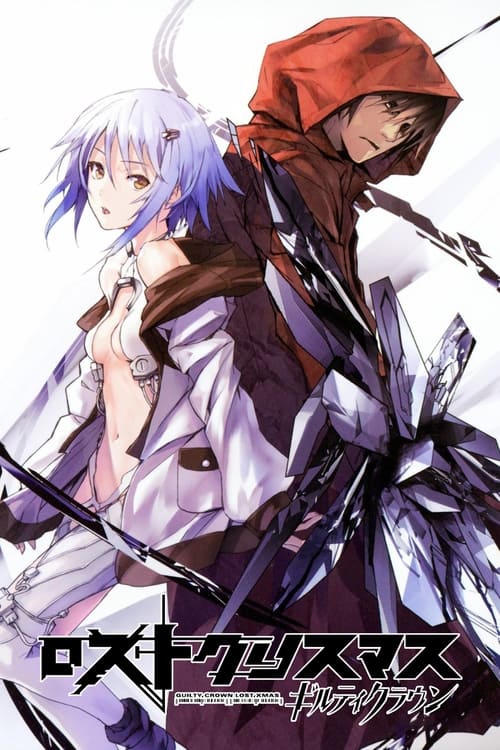
Guilty Crown: Lost Christmas functions primarily as a genre-driven dystopian sci-fi. It successfully provides female characters with meaningful roles and offers a strong critique of centralized, authoritarian power structures. However, the film remains within traditional demographic boundaries. The cast is culturally homogeneous, and the narrative lacks LGBTQ+ representation or diverse perspectives. Biological alterations serve as effective metaphors for bodily autonomy and systemic experimentation but primarily drive the plot rather than exploring disability.
Category Breakdown
The film does not include any LGBTQ+ characters or explore non-straight identities. The interpersonal relationships focus on typical romantic and protective bonds between the main characters.
Inori plays a central role in driving the plot rather than being a passive observer, which disrupts secondary support roles. However, the core power dynamics still revolve around traditional male-driven conflict.
The cast is culturally uniform, reflecting a futuristic Tokyo setting. The narrative centers on internal societal issues within Japan rather than exploring multi-ethnic diversity.
The story criticizes institutional authority by depicting the GHB as an oppressive entity. It delves into the fragility of social order in a virus-ridden society.
Genetic modifications and the Apocalypse Virus serve as metaphors for bodily autonomy and systemic experimentation. These elements primarily drive the sci-fi plot rather than exploring lived experiences of disability.
Present on Screen
Limited or Absent
Official Synopsis
In 2029, Scrooge escapes from a research facility where he had been confined as an experimental subject. His body was remodeled by genetic manipulations and he uses his psychic power to kill the chasers. One day, he meets another experimental subject called Carol. When three psychic chasers hunt down the two, Carol asks Scrooge to use his right arm to extract a weapon from her body.
2019
2014
2021
2015

2016

2017
2016

2015
No reviews yet. Be the first to share your thoughts on this movie!
Use the rating form above to leave a star rating and optional review.