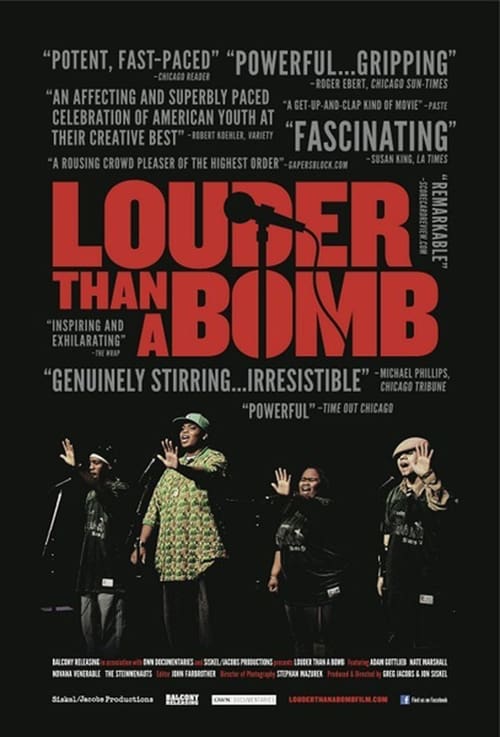
Louder Than a Bomb
2011
No user ratings available yet
Representation score: 8.1 out of 10
No Poster Available
Representation Score
Good
1998
Director
Paul Devlin
Runtime
83 minutes
Average Rating
No ratings yetNew Showbiz Analysis
SlamNation serves as a vital document of multi-layered ability to act, centering diverse voices within a high-stakes intellectual environment. It successfully disrupts 1990s media conventions by placing poets of color in positions of cultural leadership. The film's strength lies in its celebration of oral traditions and the subversion of Western literary hierarchies. By focusing on the Nuyorican Poets Café and the national slam circuit, it highlights spaces where diverse identities naturally converge. However, the documentary lacks explicit detail regarding LGBTQ+ character arcs and provides no visible representation of disability. While the cultural setting implies inclusivity, the specific narrative focus remains primarily on the competitive poetic struggle.
Category Breakdown
The film captures the competitive poetry slam circuit, which has a history of embracing queer expression. While specific character stories aren't detailed, the setting suggests a moderate presence of inclusive identities.
Female poets like Jessica Care Moore compete on equal footing with men. The film emphasizes verbal skills and strong roles rather than traditional feminine stereotypes or domestic roles.
The documentary excels by highlighting Black and non-white artists such as Saul Williams and Mums the Schemer. It challenges 1990s mainstream norms by making these voices the main drivers of discussion.
By elevating oral traditions, the film critiques formal academic and literary establishments. It celebrates outsider perspectives and the breaking down of standardized Western cultural norms.
There is no specific evidence regarding the portrayal of visible or invisible disabilities within the documentary.
Present on Screen
Limited or Absent
Official Synopsis
Director Paul Devlin's fast-paced documentary follows four bards as they head to the 1996 National Poetry Slam in Portland, OR. The competition begins with the Grand Slam tournament at New York City's Nuyorican Poets Café, and then it's off to the nationals for chaps Saul Williams, Beau Sia, Mums the Schemer and Jessica Care Moore. The quartet vies against 26 other teams from across the country in a dramatic contest awash with tension, enmity and controversy.
2011
2005
2010
2002
2020
2016
2006

2017
No reviews yet. Be the first to share your thoughts on this movie!
Use the rating form above to leave a star rating and optional review.