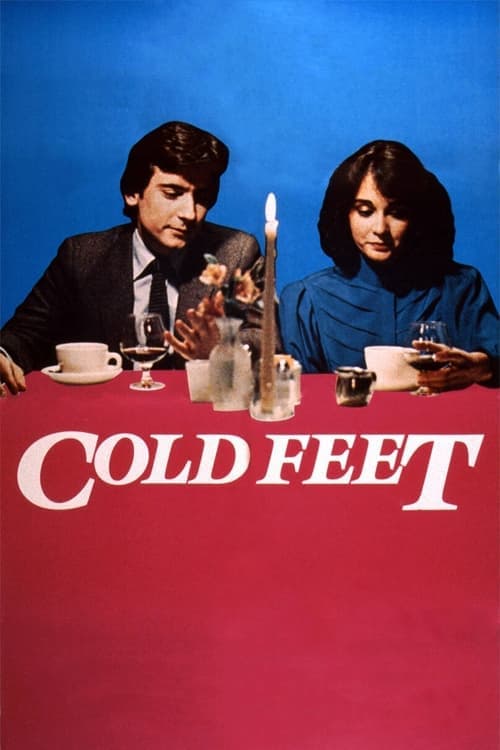
Cold Feet
1984
No user ratings available yet
Representation score: 2.9 out of 10

Representation Score
Limited
1983
PGDirector
Arthur Hiller
Runtime
103 minutes
Average Rating
No ratings yetNew Showbiz Analysis
Arthur Hiller’s film is a study in era-specific social norms. While it lacks depth in representing multiple aspects of identity, it offers a sophisticated subversion of gendered power dynamics through its central pairing. The film's strength lies in its reversal of traditional gender roles by giving the female protagonist professional dominance. However, this progress is offset by a lack of racial and LGBTQ+ representation. Ultimately, the work functions as a character-driven romance that prioritizes interpersonal dynamics over broader systemic or cultural diversity.
Category Breakdown
The film follows a traditional trajectory that assumes everyone is straight or cisgender. There is no presence of non-traditional gender identities or same-sex intimacy within the main storyline.
The narrative challenges traditional gender roles by centering a female lead with significant professional influence. The male lead is portrayed as more bohemian, reversing traditional provider roles.
The cast is largely homogeneous, reflecting an urban, upper-middle-class demographic. There is a lack of intentional racial blending or diverse casting.
The story operates within a standard capitalist framework focused on urban lifestyles. It adheres to the social norms of its era without systemic critique.
No visible or invisible disabilities are central to the narrative arc. Characters do not appear to be defined by physical or mental health conditions.
Present on Screen
Limited or Absent
Official Synopsis
Jason is in need of a collaborator to give him inspiration. Phoebe is a small-town English teacher with an urge to write. On the day Jason is being married, Jason and Phoebe meet and form a partnership.
1984

1977

1990

1971

1981

1979

1979

2003
No reviews yet. Be the first to share your thoughts on this movie!
Use the rating form above to leave a star rating and optional review.