
Aleksandr's Price
2013
No user ratings available yet
Diversity score: 6.6 out of 10
2019
Director
Youssef Delara
Runtime
109 minutes
Average Rating
No ratings yetSynopsis
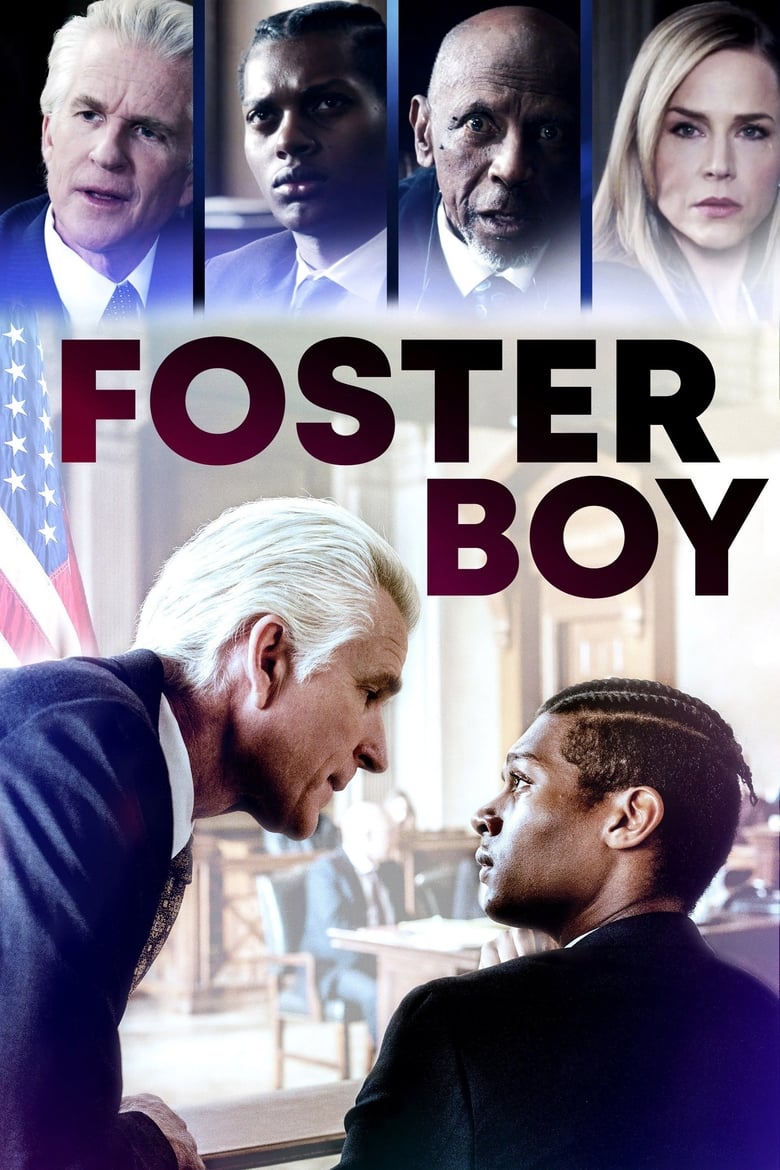
A lawyer finds himself at the center of a trial in which a for-profit foster care agency puts a known sex offender into the same foster home as his young client Jamal, which leads to catastrophic results.
Overall Score
Good
Category Breakdown
LGBTQ+ Representation
The film explores non-conformity and the psychological weight of navigating heteronormative landscapes. While lacking explicit romantic depictions, it uses subtextual identity themes to examine the friction against rigid societal norms.
Gender Representation
The narrative deconstructs the performance of masculinity within a conservative framework. It subverts the 'stable male leader' trope by portraying the struggle to meet societal expectations as a source of vulnerability.
Racial & Ethnic Diversity
A culturally authentic, non-Anglo-Saxon majority cast provides deep immersion into an Iranian social context. Characters possess agency rooted in their specific ethnic identities rather than serving as mere backdrops.
Religious & Cultural Diversity
The story offers a sophisticated critique of religious dogmatism and Western-style institutionalism. It frames authority and religious structures as sources of oppression, questioning the justice of legal and social systems.
Disability Representation
The film lacks specific depictions of visible or neurodivergent disabilities. Instead, it touches upon the psychological impact of trauma and the systemic neglect of vulnerable individuals.
Strengths
Areas for Improvement
AI Analysis
Foster Boy is a tense, thriller-inflected critique of systemic institutional failure. It succeeds by centering a non-Western perspective, specifically an Iranian social context, which avoids the homogenization common in global cinema. The film's strength lies in its refusal to treat its setting as a mere backdrop, instead rooting character agency in specific cultural identities. The narrative effectively deconstructs traditional power dynamics, particularly regarding masculinity and religious authority. By portraying the friction between the individual and the state, the film challenges the perceived sanctity of social hierarchies. This provides a complex, progressive view of how institutions can prioritize profit over human safety. However, the film's focus remains largely on systemic and psychological themes rather than explicit representation. While it explores the weight of non-conformity, it lacks overt depictions of romantic queer identities or visible physical disabilities. The focus is more on the structural pressures exerted upon the characters.
2013

2007

2023
2013
No reviews yet. Be the first to share your thoughts on this movie!
Use the rating form above to leave a star rating and optional review.