
South Park: Joining the Panderverse
2023
No user ratings available yet
Representation score: 2.8 out of 10
Representation Score
Fair
2026
Director
Matthew Faughnan
Runtime
27 minutes
Average Rating
No ratings yetNew Showbiz Analysis
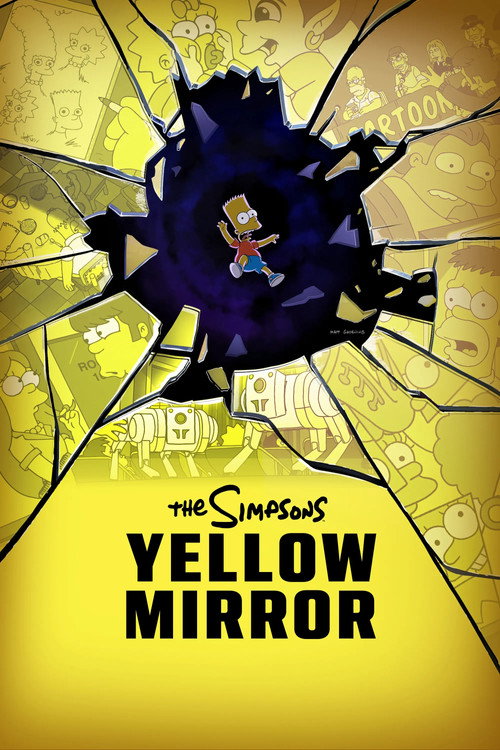
Yellow Mirror uses the familiar Simpsons format to explore gender dynamics and personal identity. Marge’s story highlights the struggle against restrictive societal expectations in the 1970s. The film positions traditional gender roles as obstacles to personal freedom. However, the story lacks racial and LGBTQ+ representation. The cast remains overwhelmingly white, and no non-heterosexual relationships are depicted. Disability is absent from the narrative. The focus stays tightly on the Simpson family’s internal conflicts and Marge’s past activism.
Category Breakdown
The story contains no openly LGBTQ+ characters or same-sex romance. It focuses on the Simpson family and a 1974 school setting. Only the central heterosexual marriage is depicted or implied.
Marge drives the emotional core by recounting her high school protest. She critiques male-imposed constraints and shares a personal history of activism. Homer learns to listen, shifting the power dynamic toward her voice.
The cast is predominantly white, reflecting the show’s traditional Springfield demographic. No characters of color are named or described in the available plot summaries. The focus remains on the Simpson family and their immediate white peers in 1974.
The film critiques traditional gender roles through Marge’s 1974 bra-burning protest. It questions rigid school authority and patriarchal expectations. The narrative frames these traditional institutions as sources of conflict rather than inherent support systems.
No characters with physical or mental disabilities are identified in the provided context. The plot centers on a temporary head injury and a defective lamp. These serve as plot devices rather than portraying lived disability experiences.
Present on Screen
Limited or Absent
Official Synopsis
A defective lamp reveals a heartbreaking truth about what Homer believes is reality, and an AI-powered tablet befriends and controls Maggie. The Simpsons struggle to find the light through two dark tales of the curious and bizarre.
2023

2019

2026
2005
2017
2008

2016
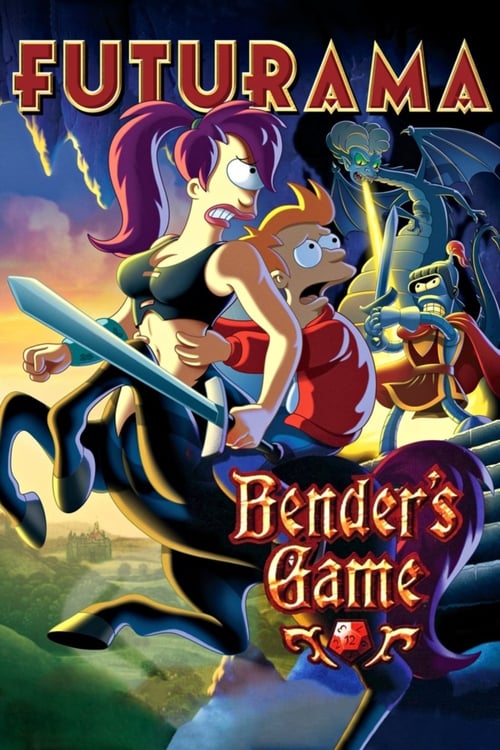
2008
No reviews yet. Be the first to share your thoughts on this movie!
Use the rating form above to leave a star rating and optional review.