Backyard
2009
No user ratings available yet
Representation score: 6.6 out of 10
Representation Score
Fair
2007
RDirector
Gregory Nava
Runtime
112 minutes
Average Rating
No ratings yetNew Showbiz Analysis
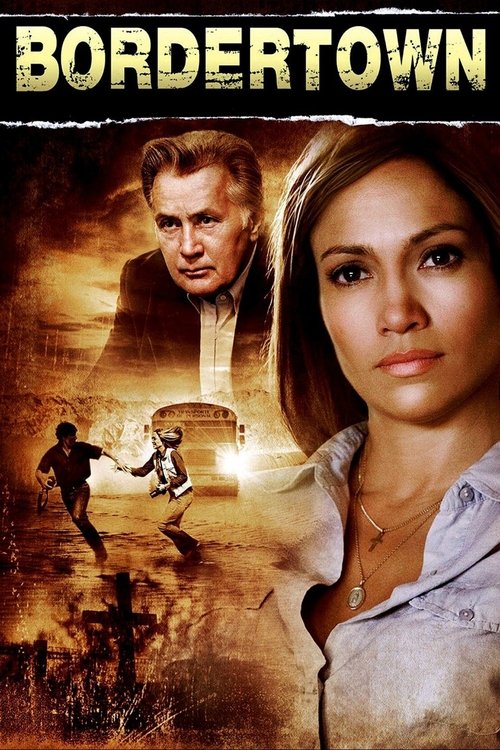
Bordertown offers a sophisticated critique of Western economic and political institutions. It effectively deconstructs the 'American Dream' through a post-colonial perspective, highlighting the tension between corporate interests and human dignity. The film's strength lies in its portrayal of the border as a site of systemic struggle rather than just a setting. By focusing on the lived experiences of characters within their cultural context, the storytelling gains depth. However, the film's impact is limited by a lack of LGBTQ+ representation and a focus on traditional family structures. While it addresses significant socioeconomic issues, it does not explore non-assuming gender matches what was assigned at birth identities.
Category Breakdown
The film does not feature prominent LGBTQ+ characters or storylines. Instead, it focuses on traditional family structures and the socioeconomic pressures faced by the main characters.
The story challenges traditional gender roles by emphasizing the exploitation of women in the maquiladora industry. It highlights the suffering and ability to act of female workers as key elements of the plot.
The film stands out by using a predominantly Latino cast to explore the Mexican-American experience. It avoids stereotypes and presents the border as a complex site of cultural and racial interaction.
The narrative examines how neoliberal economic policies and American corporate expansion affect Mexican communities. It portrays the tension between state authority and immigrant families as a struggle of systemic oppression.
The film does not prominently depict visible or invisible disabilities that serve as central plot drivers.
Present on Screen
Limited or Absent
Official Synopsis
American corporations are using the North American Free Trade Agreement by opening large maquiladoras right across the United States–Mexico border. The maquiladoras hire mostly Mexican women to work long hours for little money in order to produce mass quantity products. Lauren Adrian, an impassioned American news reporter for the Chicago Sentinel wants to be assigned to the Iraq front-lines to cover the war. Instead, her editor George Morgan assigns her to investigate a series of slayings involving young maquiladora factory women in a Mexican bordertown.
2009

2006
2010
2000
2000
2003

2002

1983
No reviews yet. Be the first to share your thoughts on this movie!
Use the rating form above to leave a star rating and optional review.