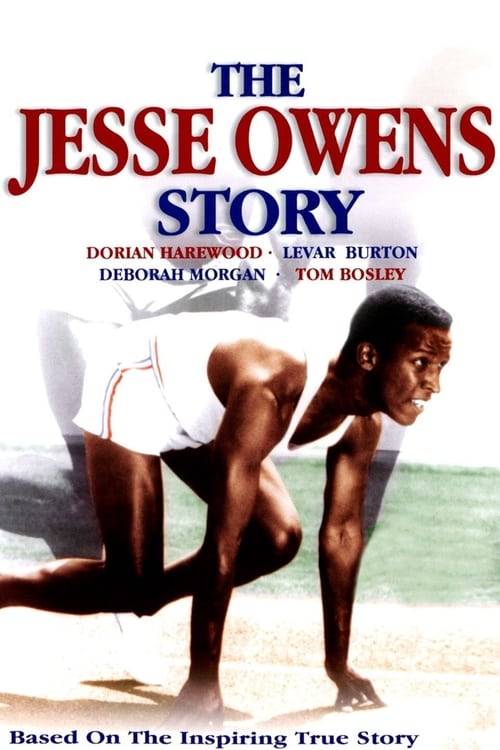
The Jesse Owens Story
1984
No user ratings available yet
Representation score: 3.1 out of 10

Representation Score
Fair
1977
Director
Bud Greenspan
Runtime
100 minutes
Average Rating
No ratings yetNew Showbiz Analysis
Wilma is a powerful biographical drama that centers on the intersection of race and disability. By focusing on Wilma Rudolph’s journey from physical impairment to Olympic gold, the film provides high ability to act to a underrepresented protagonist. The film successfully challenges the era's limitations regarding gender and racial expectations in athletics. It offers a significant counter-narrative to the systemic constraints of the mid-20th century through the lens of individual resilience. However, the narrative structure remains rooted in traditional biographical storytelling. It prioritizes personal triumph over a deep systemic deconstruction of the social or political frameworks of the 1960s.
Category Breakdown
The film does not include any LGBTQ+ characters or narratives. It focuses solely on the biographical athletic achievements of the protagonist.
The story centers on a female athlete who disrupts male-dominated sports hierarchies. It highlights her global dominance but focuses more on individual merit than systemic gender critique.
The film provides important visibility to a Black female athlete during a time of intense racial segregation. It explores navigating excellence within a segregated social framework.
The story follows a traditional American success arc centered on perseverance. It leans toward the triumph-over-circumstance cliché rather than critiquing Western institutions.
The plot centers on the protagonist overcoming physical disabilities to achieve Olympic success. This depiction emphasizes ability to act and functional capability over passive victimhood.
Present on Screen
Limited or Absent
Official Synopsis
The story of American track sprinter Wilma Rudolph, who overcame physical handicaps to win three gold medals in the 1960 Olympics.
1984

2015

2005

2005

2012

2014

1977

2024
No reviews yet. Be the first to share your thoughts on this movie!
Use the rating form above to leave a star rating and optional review.