Young at Heart
2008
No user ratings available yet
Representation score: 8.3 out of 10
Representation Score
Good
1981
Director
Nigel Noble
Runtime
30 minutes
Average Rating
No ratings yetNew Showbiz Analysis
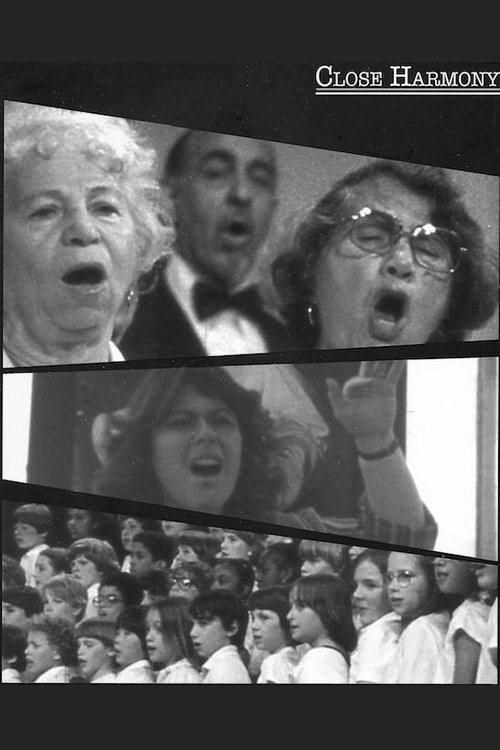
Close Harmony serves as a sociological study of intergenerational connections. By documenting the interaction between elementary students and elderly retirees, the film challenges ageist assumptions through organic social contact. The documentary's strength lies in its ability to disrupt the 'othering' of the elderly. It uses shared artistic endeavors to break down social barriers and dismantle preconceptions held by the younger generation. However, the film lacks explicit identity-driven narratives. It does not provide visible representation for LGBTQ+ identities or specific neurodivergent or disability-centric stories, focusing instead on age-based social stratification.
Category Breakdown
The film does not include explicit LGBTQ+ characters or narratives. It focuses on age-based social structures rather than sexual orientation or gender identity.
The documentary features a diverse group of participants of various ages. The collaborative nature of choral performance suggests equal cooperation without reinforcing traditional gender hierarchies.
Set in Brooklyn, the film likely captures a multicultural mix of Jewish and diverse urban populations, reflecting ethnic and religious pluralism.
The narrative challenges conventional views of elderly passivity by highlighting the tension between children's preconceptions and seniors' lived experiences. It explores themes of subjective experience.
The film focuses on the elderly, a group often facing physical limitations. However, it is unclear if these limitations are portrayed through a lens of empowerment or decline.
Present on Screen
Limited or Absent
Official Synopsis
A chorus of 4th- and 5th-graders at the Brooklyn Friends School and a chorus of elderly retirees at a Brooklyn Jewish seniors' center combine to give an annual joint concert. Practicing separately for several months while communicating only as pen pals, they eventually meet for a rehearsal prior to their concert. The children's various preconceptions about older people, as well as the seniors' approach to aging and their young co-performers, are a principal focus.
2008

2002
2014

2014

1999

2020
1987
1999
No reviews yet. Be the first to share your thoughts on this movie!
Use the rating form above to leave a star rating and optional review.